

Vitamin B12 Deficiency Symptoms: Signs, Causes, Foods & Treatment
BestDoctorsInTheCity.com
October 21, 2026
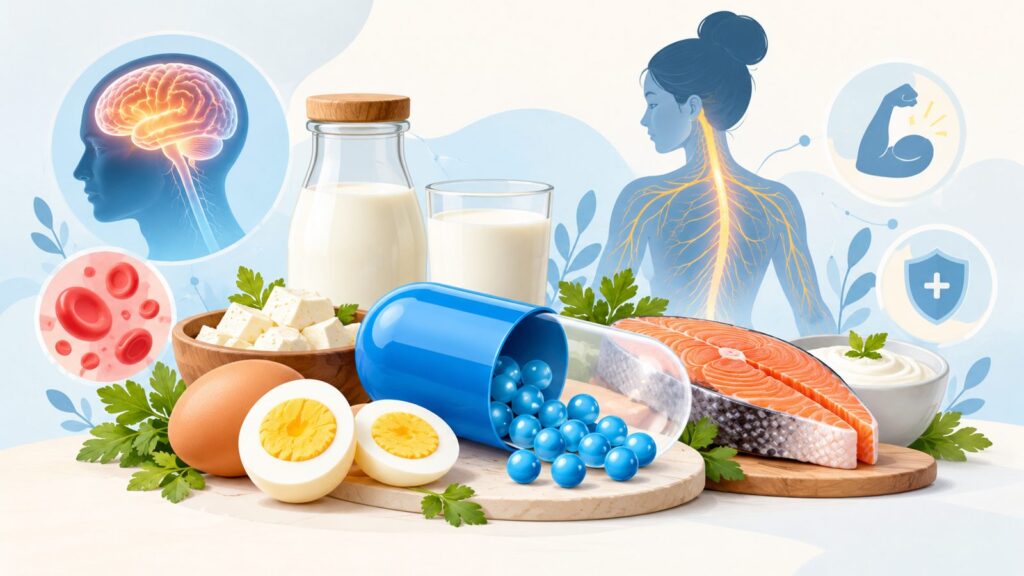
Vitamin B12 deficiency symptoms often start quietly: constant tiredness, tingling in the hands and feet, and a foggy mind. Because they look like everyday stress, many people ignore them for months. Studies in India suggest a large share of adults, especially vegetarians, have low B12 levels.
This guide explains the signs, causes, best food sources and treatment, so you know when a simple blood test is worth it.
What Is Vitamin B12 and Why Does Your Body Need It?
Vitamin B12 (cobalamin) helps make red blood cells, build DNA and keep your nerves healthy. Your body cannot make it, so it must come from food or supplements.
The adult recommended intake is about 2.4 mcg a day, according to the US National Institutes of Health (NIH).
Vitamin B12 Deficiency Symptoms
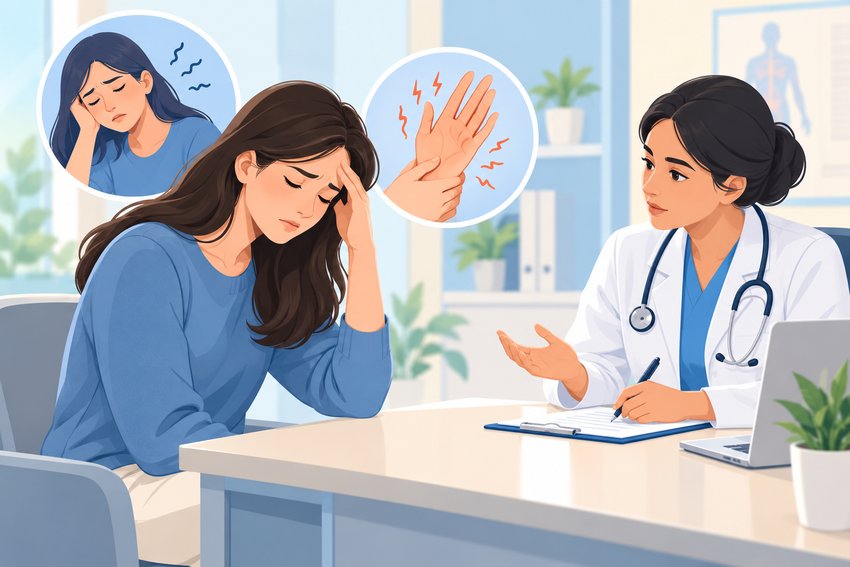
Symptoms develop slowly and can be mild at first. Common signs include:
- Extreme tiredness and weakness that rest does not fix
- Pale or slightly yellow skin
- Tingling, numbness or “pins and needles” in hands and feet
- Memory problems, brain fog and trouble concentrating
- Mood changes such as low mood, irritability or anxiety
- Mouth ulcers and a sore, red tongue
- Shortness of breath and dizziness
- Hair fall and brittle nails
- Balance problems in advanced deficiency
Nerve damage from long-standing deficiency can become permanent, so early testing matters.

Main Causes of Low Vitamin B12
- Vegetarian or vegan diet: B12 is found mainly in animal foods.
- Age above 50: the stomach makes less acid, so absorption drops.
- Metformin and acid-reducing medicines: long-term use of metformin or PPIs can lower B12.
- Gut conditions: celiac disease, Crohn’s disease or gastric surgery.
- Pernicious anaemia: an autoimmune condition that blocks absorption.
- Heavy alcohol use.
How Is B12 Deficiency Diagnosed?
A simple blood test measures serum vitamin B12. Levels below roughly 200 pg/mL are generally considered low, and borderline results may need a follow-up test such as methylmalonic acid (MMA) or homocysteine. Your doctor may also check a complete blood count (CBC) for anaemia.
Best Food Sources of Vitamin B12
- Eggs, fish, chicken and meat
- Milk, curd (dahi), paneer and cheese
- Liver and shellfish (among the richest sources)
- Fortified cereals or fortified plant milks
Vegans should rely on fortified foods or supplements, as plant foods do not reliably provide B12.
Vitamin B12 Deficiency Treatment
Treatment depends on how low your level is and why.
- Oral tablets: daily high-dose B12 works for most people with diet-related deficiency.
- B12 injections: used for severe deficiency, nerve symptoms or poor absorption.
- Diet changes: add B12-rich foods alongside treatment.
Do not self-prescribe high doses. Your doctor will set the dose and recheck your level after a few months.
When to See a Doctor
See a doctor if you have numbness or tingling, balance problems, memory changes, or tiredness that lasts more than two weeks. You can find a doctor near you and ask for a B12 and vitamin D blood test. Low B12 often goes hand in hand with other deficiencies. Read our guide on vitamin D deficiency and constant tiredness and why you may feel still tired after 8 hours of sleep.
Frequently Asked Questions
What are the first signs of low vitamin B12?
Persistent fatigue, tingling in the hands and feet, pale skin and trouble concentrating are usually the earliest signs.
How long does it take to recover from B12 deficiency?
Energy often improves within a few weeks of treatment. Nerve symptoms can take several months to improve.
Can vegetarians get enough B12 without supplements?
Dairy and eggs help, but many vegetarians still run low. A yearly blood test is a sensible check.
Is B12 deficiency serious?
Yes, if left untreated. It can cause anaemia and lasting nerve damage, but it is easy to treat when caught early.
Conclusion
Vitamin B12 deficiency is common, easy to test and easy to treat. If these symptoms sound familiar, do not wait for them to get worse. Book a blood test and talk to a doctor.
Are you a doctor or clinic? List your practice on BestDoctorsInTheCity.com. Have health expertise to share? Write for us.
Medical disclaimer: This article is for general information and is not a substitute for professional medical advice. Always consult a qualified doctor before starting any treatment. Sources: NIH Office of Dietary Supplements; WHO.

Dr. Dheeraj Yadav
Ayurvedic Physician & Certified Bach Flower Remedy Practitioner
Dr. Dheeraj Yadav is a licensed Ayurvedic doctor and certified Bach Flower Remedy practitioner with deep expertise in holistic and natural healing. He carefully reviews all health-related content on this website to ensure it is accurate, safe, and consistent with the principles of traditional and integrative medicine.
This article is for informational purposes only and does not constitute medical advice. Please consult a qualified healthcare professional before making any health decisions.