

What Should You Look for in a Protein-Rich Indian Breakfast?
Horlicks India
November 18, 2026
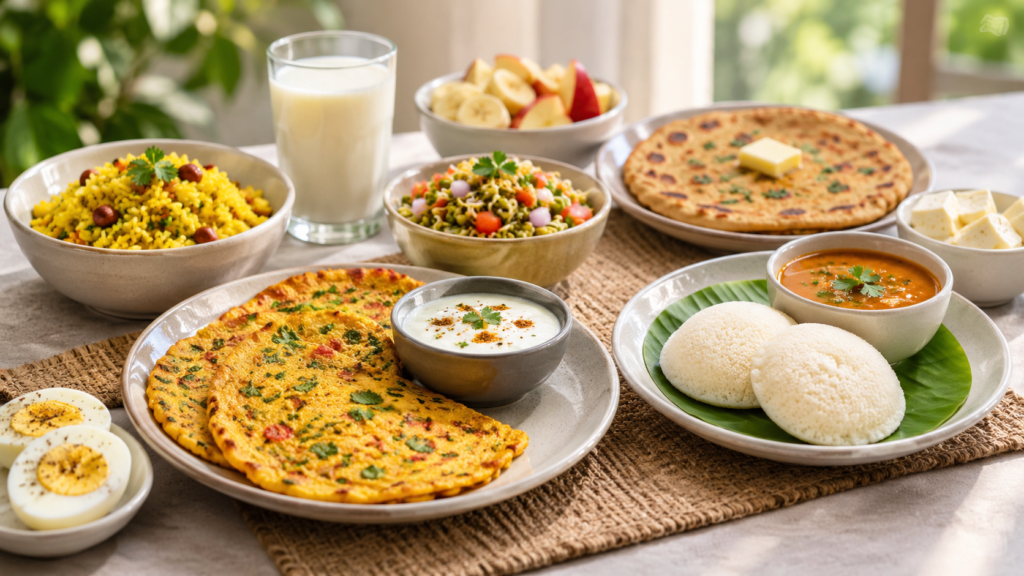
Breakfast is often called the most important meal of the day, yet it is also one of the meals where protein intake can easily fall short. A typical Indian breakfast might include poha, upma, bread and tea, parathas or plain idlis. While these foods provide energy and other nutrients, their protein content can vary considerably depending on the ingredients, preparation and portion size.
This raises an important question: what actually makes a breakfast protein-rich?
It is not simply about adding a glass of milk or choosing a product with a high protein claim on its packaging. A well-planned breakfast should provide an appropriate amount of protein, include fibre-rich ingredients, offer nutritional variety and fit comfortably into an individual’s daily dietary requirements.
For Indian households, achieving this balance does not require expensive ingredients or complicated recipes. Traditional foods such as dal, besan, paneer, curd, sprouts and eggs can all contribute to a more balanced morning meal.
Here is what to consider when choosing a protein diet breakfast.
1. Start by Identifying the Main Source of Protein
The first step in evaluating any breakfast is identifying its primary protein source. Many popular breakfast dishes are predominantly cereal-based, which means they may provide carbohydrates without contributing substantial amounts of protein.
For example, plain poha or vegetable upma can be made more nutritionally balanced by including additional protein-rich ingredients.
Some practical options include:
Moong dal and besan: These are useful plant-based protein sources and can form the foundation of cheelas, pancakes and savoury breakfast preparations.
Paneer: Provides protein along with calcium and can be incorporated into stuffed parathas, sandwiches and vegetable preparations.
Milk and curd: Convenient sources of protein that can accompany traditional breakfasts or be included in smoothies and breakfast bowls.
Sprouts: Green gram and other sprouted legumes provide protein, fibre and several micronutrients.
Soy products: Tofu and soy chunks offer additional plant-based protein options.
Eggs: For those who consume them, eggs provide complete protein and can be prepared in several ways.
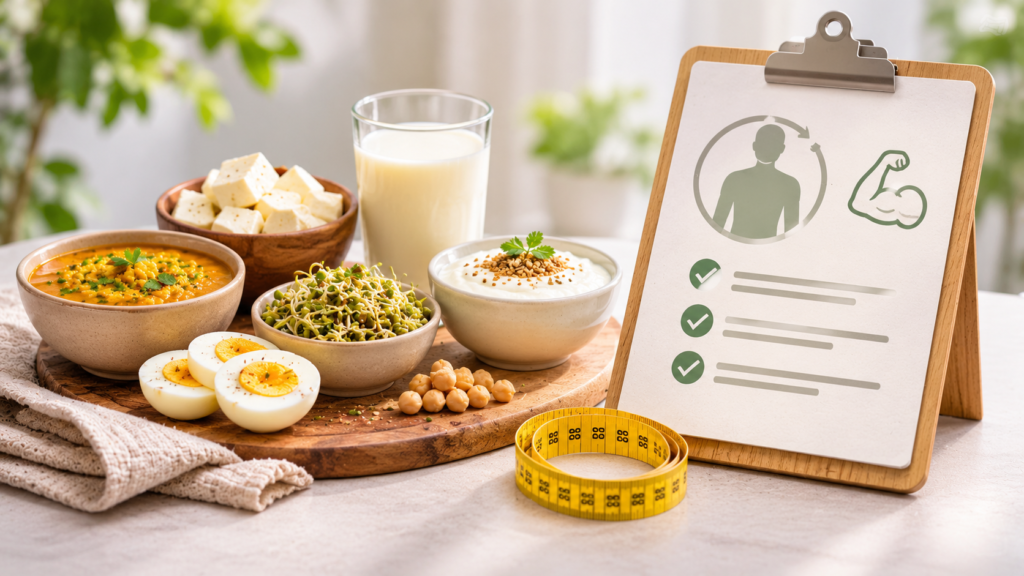
The idea is not to eliminate traditional breakfast foods but to improve their nutritional composition.
For instance, pairing poha with a bowl of curd or serving idli with a generous portion of sambar can make the meal more balanced than eating the cereal-based component alone.
2. Understand How Much Protein Your Body Needs
One of the biggest misconceptions about protein is that everyone needs the same quantity.
Protein requirements depend on factors such as body weight, age, nutritional status, activity levels and certain health conditions. Someone with a sedentary lifestyle may have different requirements from an older adult, an athlete or someone recovering from illness.
According to the ICMR-National Institute of Nutrition’s Dietary Guidelines for Indians 2024, the recommended dietary allowance (RDA) for protein for healthy adults is approximately 0.83 grams per kilogram of body weight per day.
For perspective:
| Body weight | Approximate daily protein RDA |
|---|---|
| 50 kg | 41.5 g |
| 55 kg | 45.7 g |
| 60 kg | 49.8 g |
| 65 kg | 54 g |
| 70 kg | 58.1 g |
These are general reference calculations, not individual prescriptions.
It is also important to understand that this recommendation applies to the entire day, not just breakfast. Protein should be obtained from a variety of meals and food sources rather than relying on one particularly protein-heavy meal.
A useful approach is to include a meaningful protein source at breakfast, lunch and dinner while considering the overall nutritional quality of the diet.
3. Look Beyond Protein Quantity: Protein Quality Matters
Not all protein sources have the same amino acid composition or digestibility.
Proteins are made up of amino acids, nine of which are considered essential because the body cannot produce them in sufficient quantities. These must be obtained through food.
Animal-based foods such as milk, eggs, fish and meat generally provide all nine essential amino acids in useful proportions.
However, vegetarians and vegans can also obtain adequate protein through a varied diet.
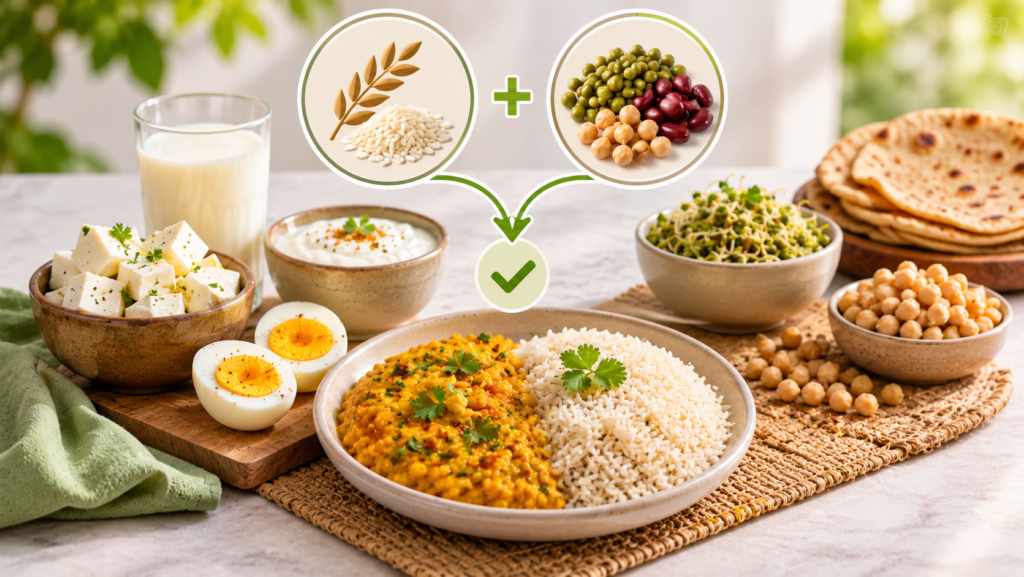
The ICMR-NIN 2024 guidelines explain that cereals and pulses have complementary amino acid profiles. Cereals are relatively lower in lysine, whereas pulses provide more lysine but comparatively less sulphur-containing amino acids.
Combining these food groups helps improve the overall quality of dietary protein.
This is particularly relevant to Indian meals, where combinations such as dal and rice, roti and chana, or idli and sambar are already common.
Other useful combinations include:
Besan cheela with curd.
Whole-wheat toast with peanut butter and milk.
Moong dal dosa with sambar.
Paneer-stuffed roti with plain curd.
Vegetable dalia with milk.
The objective is to achieve dietary variety rather than depending on a single protein source.
4. Combine Protein With Fibre and Other Essential Nutrients
A protein-rich breakfast should not become a meal that focuses exclusively on protein.
Fibre, vitamins, minerals and healthy fats also contribute to overall nutritional balance. Fibre-rich foods, in particular, support digestive health and can contribute to satiety.
Consider the difference between a breakfast consisting only of a protein shake and one that includes protein alongside whole grains, vegetables or fruit.
The second option can offer a broader range of nutrients.
When planning breakfast, consider including:
Protein: Dal, paneer, milk, curd, tofu, sprouts or eggs.
Fibre: Vegetables, fruits, oats, whole grains and legumes.
Healthy fats: Nuts, seeds and appropriate quantities of cooking oils.
Micronutrients: Seasonal fruits and vegetables that provide vitamins and minerals.
For example, a breakfast of two besan cheelas, plain curd and cucumber provides a combination of protein, fibre and other nutrients.
Similarly, vegetable oats prepared with milk, nuts and seeds can offer a more varied nutritional profile than plain instant oats.
The ICMR-NIN guidelines emphasise dietary diversity and recommend obtaining nutrients through a balanced combination of food groups.
5. Choose Breakfast Options That Suit Indian Food Habits
A nutritious breakfast does not have to look like a Western breakfast bowl or a specialised fitness meal.
Indian cuisine already offers several practical ways to incorporate protein into everyday eating habits.
Here are some combinations worth considering:
| Breakfast option | How to improve its nutritional value |
|---|---|
| Poha | Add peas and peanuts and serve with curd |
| Upma | Include vegetables and serve with sprouts or curd |
| Idli | Pair with a generous serving of sambar |
| Paratha | Use paneer stuffing and accompany it with curd |
| Dosa | Choose moong dal dosa or serve regular dosa with sambar |
| Oats | Prepare with milk and add nuts or seeds |
| Cheela | Use besan or moong dal and pair with curd |
| Toast | Combine whole-grain bread with eggs or paneer |
Portion sizes matter too. The amount of protein in a meal depends on how much of each ingredient is actually consumed.
A small garnish of peanuts or a few sprouts may add some protein, but it should not automatically be considered a substantial protein serving.
6. Read Nutrition Labels Before Choosing Packaged Protein Products
Busy mornings do not always allow time for preparing a complete breakfast. Packaged products, ready-to-drink shakes and protein powders can offer convenience, provided they are selected thoughtfully.
However, choosing the best protein powder or breakfast drink should involve more than comparing the largest protein number printed on the front of the package.
The ICMR-NIN Dietary Guidelines 2024 recommend reading food labels to understand ingredients, nutritional information, allergen declarations and storage instructions.
Here are five important things to examine.
Protein per serving
Check how many grams of protein the product provides in one recommended serving. Also consider the serving size rather than comparing products based on different quantities.
Protein source
Look at the ingredient list to understand whether the protein comes from dairy, whey, soy, peas, fermented yeast or a combination of sources. Different sources have different nutritional characteristics.
Added sugar and sweeteners
Examine total sugar and added sugar separately. A product marketed as a protein-rich option is not automatically low in sugar.
Fibre and other nutrients
Check whether the product provides dietary fibre or additional nutrients. These can contribute to the overall nutritional profile, although they should not replace a balanced meal.
Allergens and ingredient information
Check for milk, soy, wheat, nuts and other ingredients that may trigger allergies or intolerances. Also review the FSSAI licence details, expiry date and storage instructions.
For example, Horlicks Protein Powder is one packaged option that can be evaluated using these criteria. According to its official product information, each 36-gram sachet provides 24 grams of protein and 4 grams of prebiotic fibre. Its formulation uses fermented yeast protein, with whey protein concentrate included in the unflavoured variant.
These details illustrate why checking the actual nutritional information and ingredients is more useful than relying solely on front-of-pack marketing claims.
If considering a packaged product, review the latest label for the particular variant, as formulations and nutritional values may differ.
7. When Should You Consider Protein Supplements?
Protein supplements are often associated with gym workouts and muscle building, but their use is not limited to athletes.
Some adults may find it difficult to meet their nutritional requirements through regular meals because of busy schedules, limited food choices or specific dietary restrictions.
In such situations, a protein supplement may be a convenient way to add protein to the diet.
However, supplements are not essential for everyone. Most healthy adults can obtain sufficient protein through a varied diet that includes pulses, beans, dairy, nuts, seeds and other suitable foods.
The ICMR-NIN 2024 guidelines caution against indiscriminate consumption of protein supplements, particularly in excessive quantities over prolonged periods.
People with kidney disease or impaired kidney function should be especially careful about high-protein diets and seek medical advice before using supplements.
Pregnant or breastfeeding women, individuals with chronic health conditions and those following medically prescribed diets should also consult a qualified healthcare professional before introducing a supplement.
The right choice should depend on individual nutritional requirements, not social media trends or fitness marketing.
8. Make Breakfast Sustainable With Simple Preparation Habits
Even the most nutritious breakfast plan will not work if it is too complicated to follow consistently.
Instead of experimenting with a new recipe every morning, create a small rotation of familiar meals that can be prepared without much effort.
A few practical habits can help:
Soak pulses overnight when preparing cheelas or other pulse-based breakfasts.
Keep curd, paneer and milk available for convenient protein additions.
Prepare sprouts in advance and store them safely under refrigeration.
Keep seasonal fruits, nuts and seeds readily accessible.
Read packaged food labels before purchasing products regularly.
Avoid depending entirely on beverages when a more complete meal is practical.
Consistency is more important than creating an elaborate breakfast routine that becomes difficult to maintain.
Frequently Asked Questions
1. What should a protein-rich Indian breakfast contain?
A protein-rich Indian breakfast should include a substantial protein source such as dal, besan, paneer, curd, milk, tofu or eggs. Pairing it with whole grains, vegetables or fruits can improve its overall nutritional value.
2. Which Indian breakfast foods are naturally high in protein?
Moong dal cheela, besan cheela, pesarattu, paneer paratha, sprouts-based dishes and idli with sambar are useful options. The actual protein content depends on the ingredients and portion sizes.
3. Is poha a good breakfast option for protein?
Poha can be part of a balanced breakfast, but plain poha is not particularly protein-dense. Adding peas, peanuts and a serving of curd can improve its nutritional composition.
4. Do you need protein powder for a healthy breakfast?
No. Protein powder is not a requirement for a healthy breakfast. Everyday foods such as pulses, dairy products, soy and eggs can provide protein. Supplements are primarily a convenience option when dietary requirements are difficult to meet through regular food.
5. Can vegetarians meet their daily protein requirements?
Yes. A varied vegetarian diet containing pulses, beans, dairy, soy products, nuts, seeds and whole grains can provide adequate protein. Appropriate combinations of cereals and pulses also help improve protein quality.
6. How much protein should you consume at breakfast?
There is no single protein target that applies to everyone at breakfast. Daily requirements depend on body weight, age, health and other individual factors. It is sensible to distribute protein across meals rather than treating breakfast as the only opportunity to meet daily requirements.
Final Thoughts
A protein-rich Indian breakfast is less about following complicated nutrition trends and more about making thoughtful choices with everyday ingredients.
Whether it is adding curd to poha, choosing moong dal cheela instead of a plain cereal-based breakfast, or evaluating a packaged protein product carefully, small changes can improve the nutritional quality of the morning meal.
The most suitable breakfast is one that provides adequate protein, includes other essential nutrients, fits your lifestyle and can be followed consistently.
Rather than chasing the highest protein number on a product label, focus on building a balanced diet that meets your individual nutritional needs.