

Clinic Living Plus Doctors Give 11 Tips to Retain Muscle Mass on GLP-1
Roshni Sanghvi
October 27, 2026

At Clinic Living Plus, medical weight loss is more than losing weight. We help patients lose weight safely. We also focus on their long-term health and strength.
Clinic Living Plus is a functional medicine clinic that offers medical weight loss. Over 150+ patients visit our clinic each month for GLP-1 consultations.
However, not everyone qualifies for GLP-1 treatment. In fact, 35% of people who visit our clinic do not even meet the criteria.
Why? Medical weight loss is not giving weight-loss injections to everyone who wants to lose weight. We first check each patient’s medical history, body composition, and individual needs.
GLP-1 medication can be an effective treatment. But there’s one important thing that is concerning.
When your weight drops, are you losing fat or muscle too?
To help you understand and support you. Our experts at Clinic Living Plus have shared 11 tips to help you retain muscle mass on GLP-1.
How GLP-1 Works and How Fat Loss and Muscle Loss Happen Together?
Before we explore the 11 tips for retaining muscle mass. Let’s understand what GLP-1 is and how it works.
GLP-1 is a medicine that imitates glucagon-like peptide-1(GLP-1), a naturally occurring hormone. GLP-1 is used to treat both type 2 diabetes and obesity. The way GLP-1 works involves an increase in insulin secretion and suppression of glucose output from the liver. As a result, the digestion process slows down. Hence, it lowers blood sugar levels and supports weight loss.
So you eat less and lose weight. Now, during this period, along with fat, you also lose muscle.
According to research by STEP, it looked at people taking semaglutide. They lost more body fat than lean body mass. However, both decreased during treatment.
This does not mean GLP-1 medication always causes muscle loss. But it is very important to protect your muscles during this treatment.
GLP-1 can also reduce your appetite. You may eat less without knowing it. This lowers your daily protein intake. Your body needs enough protein to maintain muscle.
Muscles are important for your body. Your muscles help you move and stay strong as you age. The goal is to lose excess fat while keeping your muscles strong. So here are 11 tips from the experts at Clinic Living Plus to retain muscle mass.

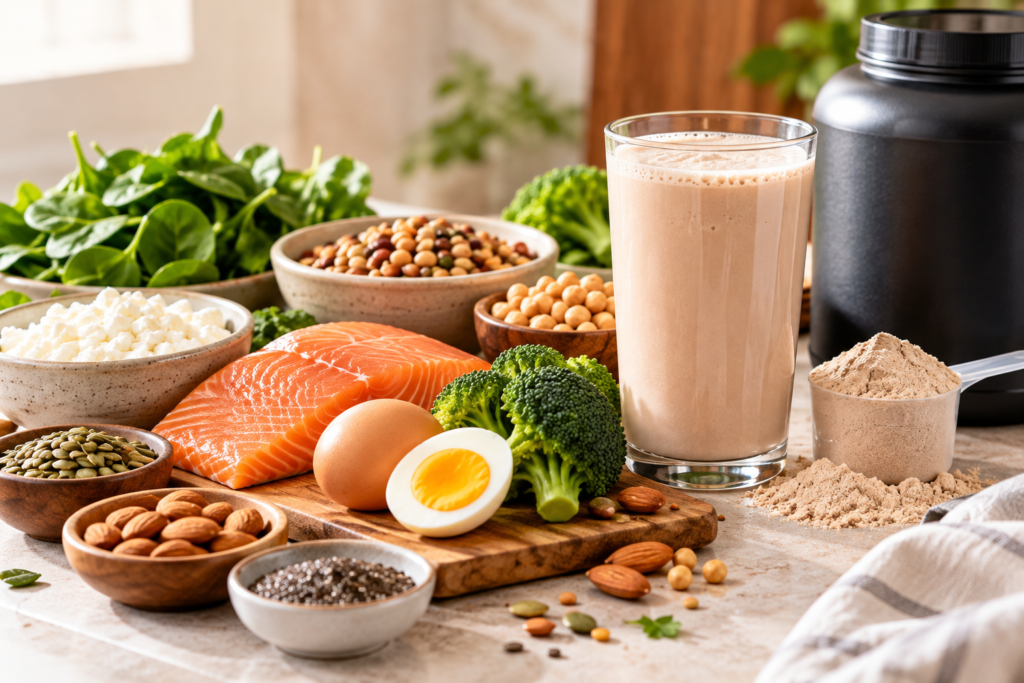
1. Protein First
Protein is very important as it is the building block for your muscles. Make sure to eat protein every day. Include protein-rich foods like soya, tofu, tempeh, and edamame in your diet.
Supplements can be a good option if you struggle to meet your daily needs. Spread your protein intake throughout the day.
Some adults may need 1.2-1.6 grams of protein every day. This amount is for each kilogram of adjusted or reference body weight. Your needs may differ.
At Clinic Living Plus, we have a professional nutritionist who works alongside your doctor. The nutritionist looks at your food diary to ensure there is enough fiber along with protein.
Ask your doctor or nutritionist to set your daily protein goal. This is important to consider if you have kidney issues or any food allergies.
2. Strength Training is Non-Negotiable
Walking is good for your heart. But it cannot replace strength training. Strength training helps your body maintain muscle during weight loss.
You do not need heavy weights or an expensive gym. Start with simple exercises like:
- Chair squats
- Wall Push-ups
- Resistance band exercises
- Light Dumbbell exercises
Start slowly. Aim for two to three sessions each week. It also depends on your fitness level and medical condition.
At Clinic Living Plus, we offer a complete GLP-1 plan. It includes nutrition support, personal training, and physiotherapy. We also help you make healthy lifestyle changes.
Your trainer helps you build strength at your own pace. Your physiotherapist helps you move better and manage stiffness. If you are looking forward to a complete plan with GLP-1, you can contact Clinic Living Plus.
3. Avoid Eating Too Little
GLP-1 treatment causes appetite loss. You can feel full with a few bites. This means fewer calories consumed, and so fewer nutrients consumed.
Our body needs food to function and for energy. It also needs enough nutrients for proper functioning. These nutrients are important for maintaining the muscles. Hence, it is important to consume a well-balanced diet.
Your meal should consist of all the essential nutrients like protein, fiber, fats, and carbohydrates. However, while on GLP-1, if you feel nauseous or feel full, talk to your doctor.
4. Body Composition
Imagine losing five kilograms in two months. The scale shows you lost weight. But is it all fat or muscle too? So tracking your body composition is important.
Your doctor can recommend a DEXA or bioelectrical impedance test. These tests give an approximate number of your body fat and muscle mass.
Always consult with your doctor for the correct number, as sometimes this number can be influenced by water weight. Hence, the doctor will track your strength, energy, and fitness level to get a clear picture of your progress.
At Clinic Living Plus, we do a deep diagnosis, including blood work. The blood reports are done and checked every month. This helps our doctors measure and manage the dose.
5. Keep Moving
An hour of workout is good. But what about the other hours you are only sitting? Long hours of sitting idle or even at the desk limit your daily activity.
So try adding activities that need physical energy. Play a sport such as badminton or cricket. If you don’t want to exert yourself, something as simple as walking is a good activity.
Take 5-10 minute walks between work. Use the stairs, go grocery shopping. All in all, be physically active in some way or the other. These small habits support strength training and heart health.
6. Recovery
There is no strong evidence that suggests one must exercise every day and not rest. While exercising helps you build muscles, rest helps you maintain them. When you rest, your body can relax from stiffness and sore muscles.
A good 7-8 hours of quality sleep helps with recovery. It should be taken as important as strength training. Do not push yourself to work out when you are too tired. It is your body’s way of asking for rest.
7. Hydration
GLP-1 medication can cause nausea, vomiting, or constipation in some people. Some individuals may already eat and drink less water. It can cause dehydration.
When you are dehydrated, it affects your energy and performance. So aim to drink at least 2-3 liters of water, even when your appetite is low.
If you feel nauseous or dizzy, talk to your doctor immediately. For some people, electrolytes are advised. But always consult with your doctor before taking them.
8. Nutrition Gap
When you are on GLP-1 medication, your appetite drops, so you eat less, and your body also gets fewer nutrients. These nutrients are iron, vitamins B12, D3, K, and more.
These nutrients are important for your body’s everyday functioning. So when the levels of these nutrients drop in your body, it can cause fatigue and weakness. This also means less energy to work out.
At Clinic Living Plus, we check for all nutritional needs. In case of any nutritional gaps, we also provide IV therapies. Your functional medicine doctor reviews your diagnostic reports and then makes the call.
Consult with your doctor to get a diet plan for your symptoms. He can accordingly make changes or suggest supplements if needed.
9. Consistency
Seeing your weight drop can feel rewarding. But faster weight loss is not always better.
Eating too little can lead to rapid weight loss. You may also lose lean body mass along with fat.
Your doctor should track more than your weight. They should check your energy, diet, and strength. They should also review your symptoms and body composition. Do not increase your GLP-1 dose on your own to get faster results.
10. Supplements
Taking supplements with GLP-1 needs your doctor’s approval. For some individuals, meeting the daily protein goal can be a challenge. So they can take a protein supplement with a doctor’s approval.
Supplements of any kind are not a replacement for good nutrition. Before starting any supplement, ask your doctor. Your doctor understands your medical history. As before starting any medicine, it is important to know how your kidneys respond to it, which your doctor knows and can accordingly suggest any additional medicine.
11. Regular follow-ups.
GLP-1 treatment is not just taking one injection and being done. It is more than that. It is important to have regular follow-ups. Regular follow-ups help your doctor see how your body responds to the treatment. They can check how much fat or muscle you are losing and adjust the plan accordingly.
While you are on GLP-1, you may feel uneasy, with symptoms like being sick or tired. These need to be checked with your doctor first. Do not stop medication in between without consulting with your doctor.
Conclusion
GLP-1 medication is a great treatment for people who want to lose weight. However, this is not recommended for everyone. For this, a thorough diagnosis and your medical history are considered to determine whether you are eligible for GLP-1 medication. Your nutrition needs, sleep, exercise, and how your body responds to the medication need to be checked. It helps your doctor adjust the dose. If you don’t want to work separately on these, you can contact Clinic Living Plus. We take medical weight loss and muscle retention very seriously. These 11 tips from our experts, who have helped 80+ clients lose weight and retain muscle, can surely be trusted