

The scale went up overnight: Did you really gain body fat?
Zeelab Pharmacy
October 28, 2026
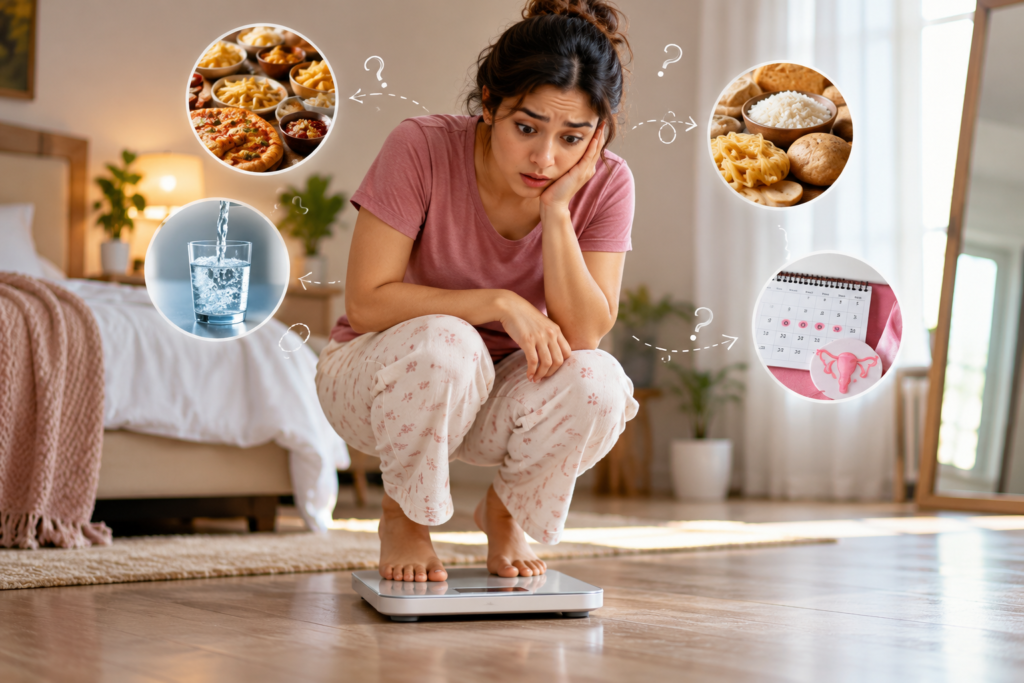
You followed your diet, stayed active, and went to bed feeling good about your progress. Then you stepped on the scale the next morning—and the number was higher than yesterday.
If you’ve ever wondered, “How did I gain weight overnight when I didn’t even eat that much?”, you’re not alone. Sudden changes in body weight can be frustrating, especially when you’re trying to lose weight. But before you cut your calories further or add another workout, there’s something important to understand: a higher number on the scale doesn’t automatically mean you’ve gained body fat.
Overnight weight gain can happen for several reasons, including water retention, a salty meal, carbohydrate intake, hormonal fluctuations, and changes in digestion. In many cases, these changes are temporary.
So, what causes sudden weight gain overnight, how can you tell the difference between water weight and fat gain, and when should you be concerned? Let’s break it down.
Can you really gain body fat overnight?
Yes, body fat can increase when energy intake consistently exceeds energy expenditure. However, a sudden jump on the scale from one day to the next is often influenced by factors other than fat gain.
Your body weight includes more than fat. It also reflects water, muscle, bones, food in your digestive system, and waste that has not yet been eliminated.
For example, if your weight increases by a kilogram overnight, that doesn’t mean you gained a kilogram of body fat. Your body may simply be holding extra fluid or processing a larger meal.
Actual changes in body fat depend on your overall energy balance over time. A single weigh-in cannot tell you precisely how much fat you’ve gained or lost.
The takeaway: Don’t judge your weight-loss progress based on one morning’s reading. Look for patterns over several days or weeks instead, and remember that medical weight-loss options may be appropriate for some people under professional guidance.


7 reasons your weight may increase overnight
If you’re experiencing overnight weight gain, one or more of these factors could explain the change.
1. Water Retention: The most common reason for short-term weight fluctuations
Water retention is one of the most common causes of temporary weight gain. Your body constantly regulates its fluid balance, but certain foods, hormonal changes, medications, and health conditions can cause it to retain more water than usual.
You might notice this after eating a salty dinner, travelling for several hours, or experiencing hormonal changes.
Common signs of fluid retention can include:
- A feeling of puffiness or bloating.
- Rings or shoes feeling tighter than usual.
- Temporary changes in body weight.
- Swelling in certain areas of the body.
A temporary increase may settle as your body restores its normal fluid balance. However, persistent or unexplained swelling should not automatically be attributed to diet or lifestyle.
2. You ate more salt than usual
That restaurant meal, packet of chips, instant noodles, or takeaway dinner could affect the number you see on the scale the following morning.
Sodium helps regulate fluid balance, but consuming a large amount can cause your body to retain additional water temporarily.
Foods that can be high in sodium include:
- Packaged snacks and processed foods.
- Pickles, papad, and some chutneys.
- Restaurant meals and takeaway foods.
- Instant soups, noodles, and ready-made sauces.
This doesn’t mean you need to eliminate salt completely. Instead, maintain a balanced diet, moderate your intake of very salty foods, and drink fluids regularly according to your needs.
If the scale rises after a salty meal, give your body time to return to its usual fluid balance rather than responding with extreme dietary restrictions.
3. Carbohydrates can temporarily increase your weight
Did you eat more rice, roti, pasta, bread, potatoes, or dessert than usual?
Carbohydrates are stored in your muscles and liver as glycogen. Glycogen is stored alongside water, so replenishing these reserves can increase body weight temporarily.
This is particularly noticeable if you recently started eating more carbohydrates after following a low-carbohydrate diet.
Important: This increase doesn’t automatically mean you’ve gained fat. Carbohydrates are an important source of energy, and their effect on scale weight is not the same as an increase in body fat.
Rather than eliminating carbohydrates, focus on appropriate portions and a balanced eating pattern that suits your nutritional needs.
4. Your menstrual cycle may be affecting the scale
For many women, weight fluctuates around menstruation because of changes in fluid balance, digestion, appetite, and other hormonal effects.
You may notice temporary bloating, breast tenderness, or a feeling of heaviness in the days surrounding your period.
A 2025 study published in the European Journal of Sport Science examined body-composition measurements across menstrual-cycle phases and found only small variations, with no statistically significant changes in body fat or fat-free mass. More recent research published in 2026 in Scientific Reports found that some regional water-content measurements varied across cycle phases, although overall body weight and total body water did not change significantly. Together, these findings suggest that menstrual-cycle-related changes may influence how the body feels and how fluid is distributed, but the effects are not the same for everyone.
Individual experiences vary, so this figure should not be treated as a universal limit.
If your weight tends to increase around the same phase of your menstrual cycle, tracking your weight and symptoms over several cycles may help you recognize a pattern.
Speak with a healthcare professional if the changes are unusually pronounced, persistent, or accompanied by other concerning symptoms.
5. A large dinner or constipation can affect your morning weight
Food and fluids have physical weight. After a large meal, your body needs time to digest the food and move it through the gastrointestinal tract.
If you eat a late dinner or have not had a bowel movement for a day or two, the scale may temporarily show a higher number.
Constipation can also cause abdominal discomfort, bloating, and a feeling of fullness.
To support regular bowel movements:
- Include fibre-rich foods such as vegetables, fruits, legumes, and whole grains.
- Drink enough fluids.
- Stay physically active.
- Maintain a consistent bathroom routine.
Increase fibre gradually if your usual intake is low. If constipation persists or occurs with severe abdominal pain, vomiting, or blood in the stool, seek medical advice.
6. Changes in exercise can influence your weight
Starting a new workout routine, increasing resistance training, or returning to exercise after a break can cause temporary changes in body weight.
Exercise can affect fluid balance, while muscle repair following unfamiliar or intense activity may involve a temporary inflammatory response.
You may also replenish muscle glycogen when your training routine changes.
This means that a higher reading after a workout doesn’t necessarily indicate that your exercise routine is failing.
Focus on longer-term progress, including strength, endurance, measurements, and how your clothes fit, rather than expecting the scale to decrease every day.
7. Stress, poor sleep, and certain medications may play a role
Stress and insufficient sleep can influence appetite, eating patterns, physical activity, and hormonal regulation. These factors may indirectly affect weight management and, in some circumstances, fluid balance.
Certain medicines can also contribute to weight changes or fluid retention. Depending on the medication, the effect may be gradual or more noticeable over a short period.
If you have recently started a new medicine and notice unexpected weight gain, discuss it with your healthcare professional. Do not stop a prescribed medication or change its dose without medical guidance.
Persistent weight gain may sometimes be associated with underlying medical conditions, including thyroid disorders or heart, kidney, and liver problems. A clinician can help determine whether further assessment is needed.
Water Weight vs. Fat Gain: How can you tell the difference?
Although scale weight alone cannot identify the exact cause of a change, the pattern can offer useful clues.
Feature | Temporary water or digestive weight | Body fat gain |
Time frame | May change over a day or several days | Usually reflects energy balance over time |
Common influences | Sodium, glycogen, hormones, digestion | Sustained energy surplus |
Scale pattern | May rise and fall relatively quickly | Often changes more gradually |
What helps assess it | Track trends and associated symptoms | Assess longer-term weight and body-composition trends |
These are general patterns, not diagnostic rules. Water retention can persist, and body fat can change without a dramatic movement on the scale.
The most useful approach is to observe your weight over time under consistent conditions instead of trying to diagnose the cause from a single measurement.
What should you do if you gain weight overnight?
If you notice a sudden increase in weight, avoid making drastic changes to your diet or exercise routine. Instead, take these practical steps.
1. Check your weighing routine
For more consistent readings, weigh yourself at a similar time each day, preferably in the morning after using the bathroom and before eating or drinking, using the same scale on a firm, level surface.
Daily weighing is optional. If it causes stress or encourages unhealthy eating behaviours, consider weighing less frequently.
2. Return to your normal eating pattern
Avoid skipping meals, fasting excessively, or severely restricting calories to compensate for a higher number.
Return to balanced meals that include protein, vegetables, fruit, whole grains, and appropriate amounts of healthy fats.
3. Stay hydrated
Drink fluids regularly according to your needs. Don’t deliberately dehydrate yourself to reduce water weight, and don’t force excessive amounts of water.
If you have a medical condition that requires fluid restriction, follow your healthcare professional’s advice.
4. Keep moving
Walking, regular physical activity, and your usual exercise routine can support overall health and weight management.
You don’t need to perform extra workouts simply to compensate for a temporary increase on the scale.
5. Look at the trend, Not one number
Consider your weight pattern over a week or longer. Some people find that a weekly average gives a clearer picture than comparing individual daily readings.
Also consider your energy levels, strength, waist measurements, and other indicators of progress.
When is sudden weight gain a reason to see a doctor?
Not every weight fluctuation is harmless. Sudden or unexplained weight gain deserves attention when it occurs alongside other symptoms or continues without a clear explanation.
Seek urgent medical assessment if rapid weight gain occurs with new or worsening swelling, especially if you also experience shortness of breath, difficulty breathing when lying down, or chest pain. Severe breathing difficulty or chest pain requires emergency care.
Arrange a medical appointment if you notice:
- Persistent swelling in your feet, ankles, hands, or face.
- Repeated, unexplained increases in weight.
- Weight gain accompanied by unusual fatigue or other new symptoms.
- Changes that begin after starting a medication.
- Ongoing weight gain despite no obvious change in your routine.
Rapid or sudden weight gain overnight can sometimes reflect fluid accumulation associated with an underlying medical condition. The appropriate evaluation depends on your symptoms, medical history, and examination.
FAQs about overnight weight gain
1. Why did I gain 2 pounds overnight?
A 2-pound increase can reflect temporary water retention, glycogen storage, food and fluid in your digestive system, or hormonal fluctuations. It doesn’t automatically mean you’ve gained 2 pounds of body fat. If the increase persists or occurs with swelling or other symptoms, seek medical advice.
2. Can drinking water cause weight gain overnight?
Drinking water temporarily adds to the weight measured on a scale because the fluid has mass. However, normal hydration does not mean you’ve gained body fat. Your body continuously regulates fluid balance.
3. Why does my weight fluctuate even when I eat healthy?
Healthy eating doesn’t eliminate normal changes in water retention, digestion, glycogen storage, or hormones. Weight management is influenced by several factors, so daily readings may fluctuate even when your habits remain consistent.
4. Should I eat less after gaining weight overnight?
Not solely because of one weigh-in. Return to your usual balanced eating pattern and look at longer-term trends. Severe restrictions can make it harder to maintain a healthy, sustainable routine.
5. Can a medical condition cause sudden weight gain?
Yes. Certain heart, kidney, liver, and hormonal conditions can contribute to weight changes, including fluid retention. Medicines can also play a role. Sudden or unexplained changes should be assessed in context, particularly when accompanied by swelling or breathing difficulties.
Final thoughts: don’t let one weigh-in define your progress
Seeing a higher number on the scale after a successful week of healthy habits can be discouraging. But overnight weight gain is not automatically a sign that you’ve gained body fat or undone your progress.
Water retention, salty meals, carbohydrate intake, menstrual changes, digestion, and exercise can all influence daily weight fluctuations.
Rather than reacting to a single reading, focus on consistent habits, track your progress over time, and make informed decisions about your well-being. For more information on affordable healthcare and medicines, explore the resources available at ZeeLab Pharmacy.
Remember: the scale measures your total body weight, not just body fat. Understanding the difference can help you make calmer, better-informed decisions about your health.
Are you a doctor or clinic? List your practice on BestDoctorsInTheCity.com. Have health expertise to share? Write for us.