

Knee Pain That Won’t Settle: Common Causes, Warning Signs and Treatment Options
BestDoctorsInTheCity.com
August 24, 2026
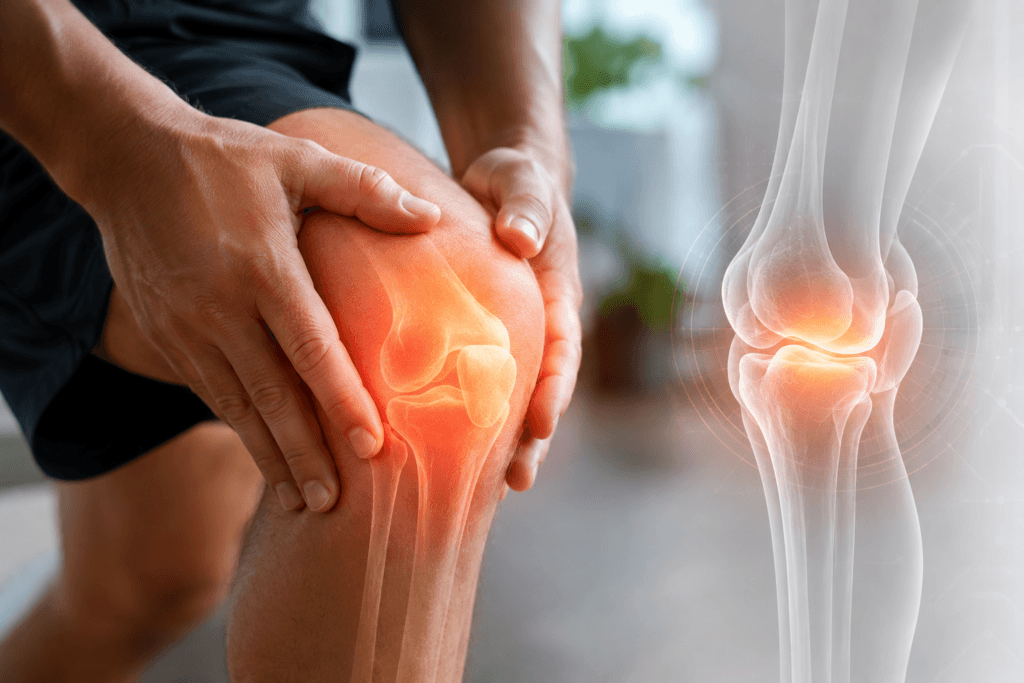
Knees carry us through every stage of life, and they collect complaints at every stage too: the teenager with pain behind the kneecap after basketball, the runner whose knee aches on stairs, the office worker whose knee stiffens after sitting, and the retiree whose morning knees take an hour to warm up. Knee pain is one of the most common musculoskeletal complaints worldwide, and one of the most misunderstood.
This article walks through the common causes of knee pain, the warning signs that deserve prompt medical attention, and what evidence-informed treatment usually looks like.
The usual suspects
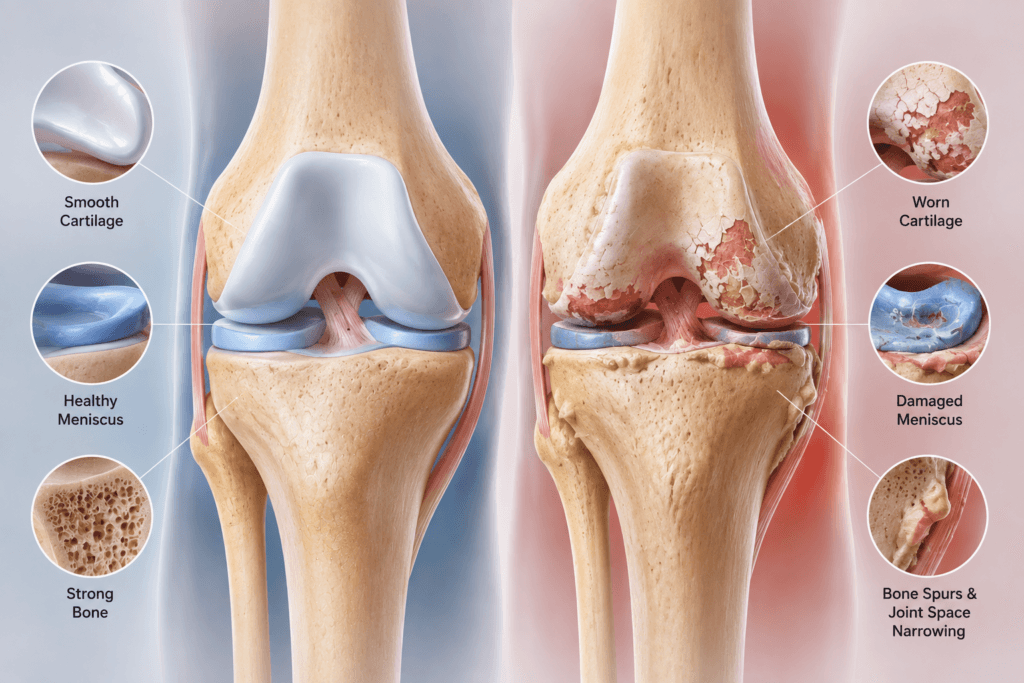
The knee is a hinge joint stabilised by ligaments, cushioned by two menisci, and powered by some of the strongest muscles in the body. Most knee pain traces back to one of these structures being asked to tolerate more load than it is currently conditioned for.
- Patellofemoral pain. Pain around or behind the kneecap, aggravated by stairs, squatting or sitting with bent knees. Extremely common in active people and desk workers alike, and strongly linked to changes in training load and hip and thigh strength.
- The patellar tendon below the kneecap and the quadriceps tendon above it can become painful when loading spikes, classically in jumping and running sports. Tendon pain is usually load-related: sore with activity, worse the next morning.
- Meniscal irritation. The menisci can be injured acutely through twisting, or become gradually sensitive with age. Not every meniscal finding on a scan is the cause of pain, which is why assessment matters more than imaging alone.
- Age-related change in the joint is normal, and painful osteoarthritis is common from midlife onward. Importantly, research consistently supports exercise and strength work as first-line care, not rest.
- Ligament injury. Sudden twisting or contact injuries can strain or rupture ligaments such as the ACL or MCL. These usually announce themselves clearly: a pop, rapid swelling, and a knee that no longer feels trustworthy.
Warning signs that need prompt attention
Most knee pain can be assessed in a routine appointment, but some situations should move faster. Seek medical care promptly if you experience:
- A knee that swells rapidly within hours of an injury
- Inability to bear weight, or a knee that gives way or locks
- Obvious deformity after trauma
- A hot, red, swollen knee with fever, which can signal infection
- Night pain that is constant and unrelated to movement
These presentations are the minority, but they are the ones where early diagnosis genuinely changes the outcome.
What good treatment looks like
For the everyday majority of knee pain, the evidence points to a consistent pattern of care, and it is less about any single technique than about the right sequence.
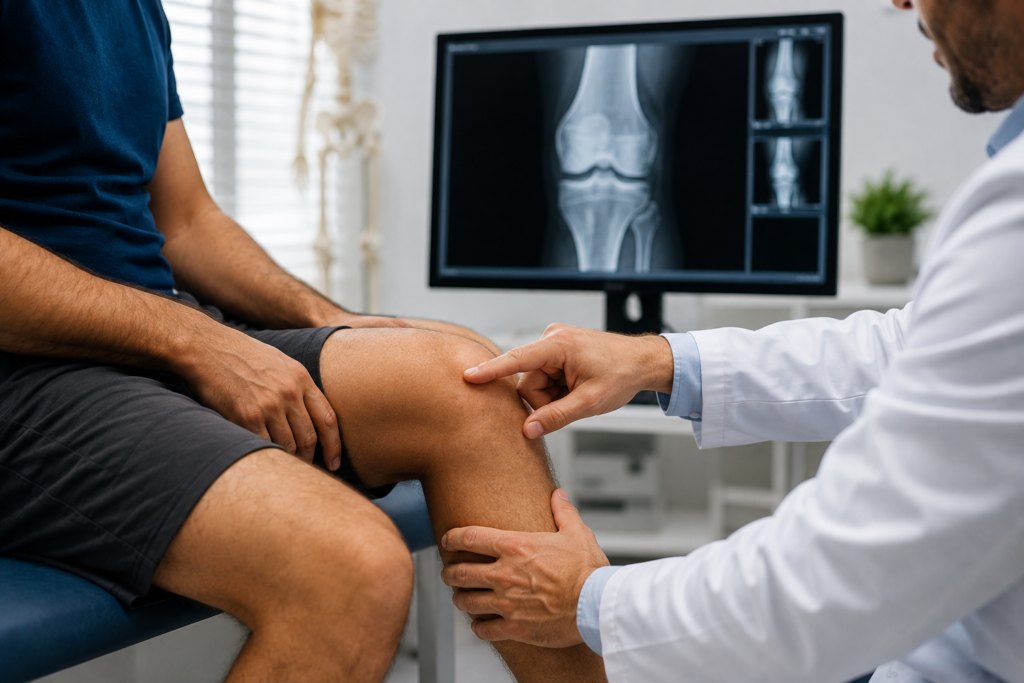
- Assessment before treatment. A thorough history and physical examination identifies which structure is irritated and, more importantly, why. Imaging has its place, but scans frequently show “abnormalities” in pain-free knees, so findings need clinical context.
- Load management. Almost every knee problem improves when the load on the joint is temporarily matched to what it can currently tolerate, then built back up gradually. That means modifying activity rather than stopping everything.
- Strength and movement work. Strengthening the quadriceps, hamstrings, and hip muscles is the most consistently supported intervention for knee pain across diagnoses, from patellofemoral pain to osteoarthritis.
- Manual therapy as an adjunct. Hands-on care such as osteopathy, remedial massage and dry needling may assist with pain and movement in the short term, making the active rehabilitation above easier to perform and stick with. Allied health clinics increasingly combine these disciplines: Living Health Group, an Australian clinic in Melbourne’s south east, pairs AHPRA-registered osteopaths with myotherapists and remedial massage therapists, and adds objective strength testing so progress is measured rather than guessed.
- Escalation when warranted. If structured conservative care does not deliver progress, or the presentation suggests significant structural injury, referral for imaging, a specialist opinion or surgical review is the responsible next step. Good practitioners refer without hesitation when the picture calls for it.
Prevention: the unglamorous truth
Knee health is mostly built outside the clinic. Keep the muscles around the knee strong, increase training loads gradually rather than in enthusiastic spikes, maintain a healthy body weight, and respect the difference between muscle soreness and joint pain. None of this is exciting advice, but it is what the research keeps rewarding.
The takeaway
Knee pain is common, usually manageable, and rarely a reason to stop being active. The path that serves most people is assessment first, then load management and strengthening, with hands-on care to support the process. For readers in Australia looking for structured, assessment-led knee pain treatment, clinics that combine thorough assessment with active rehabilitation offer the approach the evidence supports. Wherever you are, the principle is the same: find out what your knee is dealing with, match the load to it, and build back stronger.