

Irregular Periods for 3 Months — Normal or Should You See a Gynaecologist?
Kanica Sharma
June 18, 2026
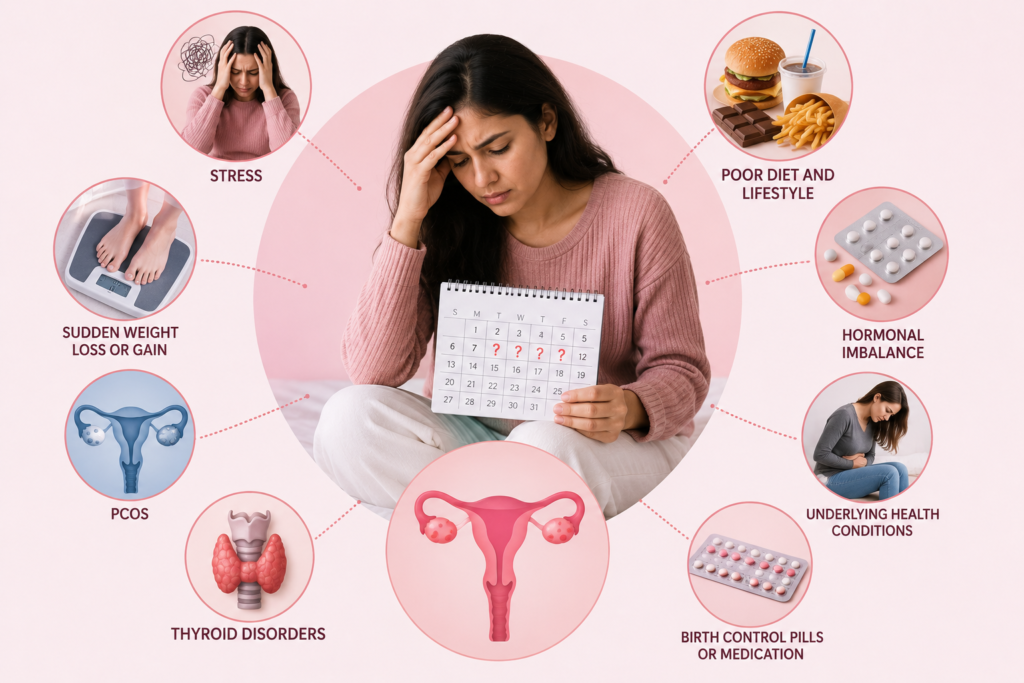
A missed or irregular period can trigger a wave of anxiety — particularly if it has been happening for several months in a row. Is it stress? Hormones? Something more serious? In India, irregular periods are one of the most common reasons women visit a gynaecologist, and yet many women delay seeing a doctor for months or even years, assuming it will resolve on its own.
Sometimes it does. But sometimes it is a sign of a condition that needs treatment — and the earlier it is caught, the easier it is to manage.
What Does 'Irregular Periods' Actually Mean?
A normal menstrual cycle is between 21 and 35 days, measured from the first day of one period to the first day of the next. Periods that fall consistently outside this range, that vary widely from month to month, that are very heavy, very light, or that stop altogether for 3 or more months, are considered irregular.
An occasional irregular cycle — due to travel, illness, or stress — is normal and not a cause for concern. Three or more consecutive irregular cycles warrant investigation.
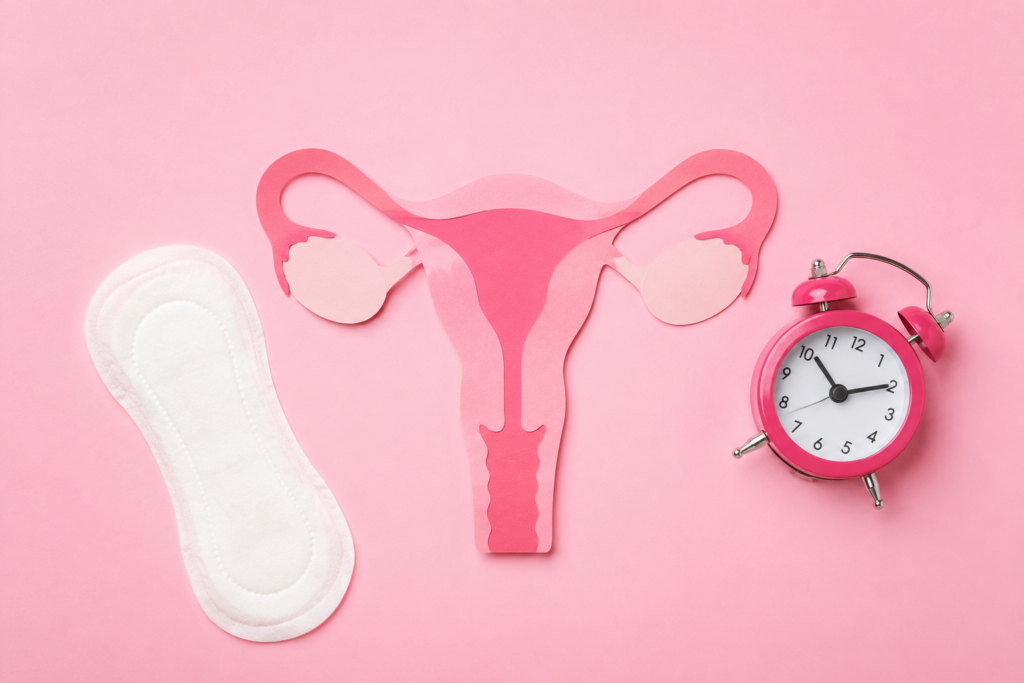
5 Most Common Causes of Irregular Periods in India
1. Polycystic Ovary Syndrome (PCOS)
PCOS is by far the most common hormonal disorder affecting women of reproductive age in India, estimated to affect 1 in 5 Indian women. It causes the ovaries to produce excess androgens (male hormones), which disrupts the normal ovulation cycle and leads to irregular, infrequent, or absent periods.
Other signs of PCOS include: unwanted facial or body hair, acne on the face or back, weight gain particularly around the abdomen, and difficulty losing weight. Not all women with PCOS have all these symptoms — irregular periods alone can be the only visible sign.
2. Thyroid Problems
Both an underactive thyroid (hypothyroidism) and an overactive thyroid (hyperthyroidism) can significantly disrupt the menstrual cycle. Hypothyroidism commonly causes heavy, more frequent periods, while hyperthyroidism can cause very light or infrequent periods.
Thyroid disorders are common in Indian women and are diagnosed through a simple blood test (TSH level). If thyroid problems are treated, periods usually return to normal.
3. Stress and Rapid Weight Changes
Significant physical or emotional stress can suppress the hormonal signals that trigger ovulation. Similarly, losing or gaining weight rapidly — crash dieting, extreme exercise, or sudden weight gain — disrupts hormone levels and can cause periods to become irregular or stop entirely.
This type of irregularity usually resolves once the underlying stress or weight issue is addressed. However, if periods have been absent for 3 months or more, medical evaluation is still important.
4. Perimenopause
For women in their early to mid-40s, irregular periods can be an early sign of perimenopause — the transition phase before menopause. Hormone levels, particularly oestrogen and progesterone, begin to fluctuate, causing cycles to become unpredictable. This is entirely normal at this life stage but should still be confirmed by a doctor, particularly to rule out other causes.
5. Uterine Fibroids or Polyps
Non-cancerous growths inside the uterus — fibroids or polyps — can alter bleeding patterns, causing heavier than normal periods, irregular bleeding between periods, or prolonged periods. These are very common in Indian women and are diagnosed through an ultrasound.
Red Flag Signs — See a Doctor This Week
Do not wait and monitor if you have any of the following:
- You have had no period for 3 or more consecutive months and you are not pregnant or menopausal
- Bleeding is very heavy — soaking through more than one pad or tampon per hour for several hours
- You have severe pelvic pain with your periods or between periods
- You are bleeding between periods (spotting between cycles)
- You are trying to get pregnant and have been unable to conceive after 6-12 months of trying
- You have sudden, significant weight gain or loss along with irregular periods
- You are under 16 and have not yet had your first period
When to See a Doctor (Non-Emergency)
Even without the red flag symptoms above, book an appointment if:
- Your periods have been irregular for 3 or more months in a row
- Your cycle is regularly shorter than 21 days or longer than 35 days
- Your periods are unpredictable — you cannot estimate when the next one will arrive
- You are planning to get pregnant and want to check your cycle is healthy before trying
Which Doctor Should You See?
For irregular periods, see a Gynaecologist (also called an Obstetrician and Gynaecologist or OB-GYN). They will take your history, examine you, and arrange relevant blood tests — including hormone levels, thyroid function, and blood sugar — along with a pelvic ultrasound if needed.
You do not need a GP referral in India — you can book directly with a gynaecologist at a hospital or clinic.
For the best gynaecologists in Delhi, read our detailed guide: Best Gynaecologist in Delhi 2026
FAQs
Q: Can irregular periods affect my ability to get pregnant?
A: Yes, in some cases. Irregular periods can indicate irregular or absent ovulation, which makes conception more difficult. However, many women with irregular cycles do get pregnant — and the underlying condition (such as PCOS or thyroid issues) is often treatable. If you are trying to conceive, see a gynaecologist sooner rather than later.
Q: Can stress alone cause 3 months of missed periods?
A: Yes, significant stress can suppress ovulation and cause periods to stop temporarily — a condition called hypothalamic amenorrhoea. However, if periods have been absent for 3 months, you should still see a gynaecologist to rule out other causes, even if stress seems the likely explanation.
Q: What will the gynaecologist do at my first appointment?
A: The gynaecologist will ask about your menstrual history, general health, family history, and any other symptoms. They will likely arrange blood tests (hormone levels, thyroid, blood sugar) and a pelvic ultrasound. The first appointment is a diagnostic appointment — it is not as daunting as many women expect, and it gives you real answers.
This article is for informational purposes only and does not constitute medical advice. Always consult a qualified gynaecologist for diagnosis and treatment.
Looking for a specialist? Find a Doctor on BestDoctorsInTheCity.com — verified gynaecologists across Delhi, Mumbai, Bangalore and more.

Dr. Dheeraj Yadav
Ayurvedic Physician & Certified Bach Flower Remedy Practitioner
Dr. Dheeraj Yadav is a licensed Ayurvedic doctor and certified Bach Flower Remedy practitioner with deep expertise in holistic and natural healing. He carefully reviews all health-related content on this website to ensure it is accurate, safe, and consistent with the principles of traditional and integrative medicine.
This article is for informational purposes only and does not constitute medical advice. Please consult a qualified healthcare professional before making any health decisions.