

Can Chia Seeds Delay Your Period?
BestDoctorsInTheCity.com
July 11, 2026
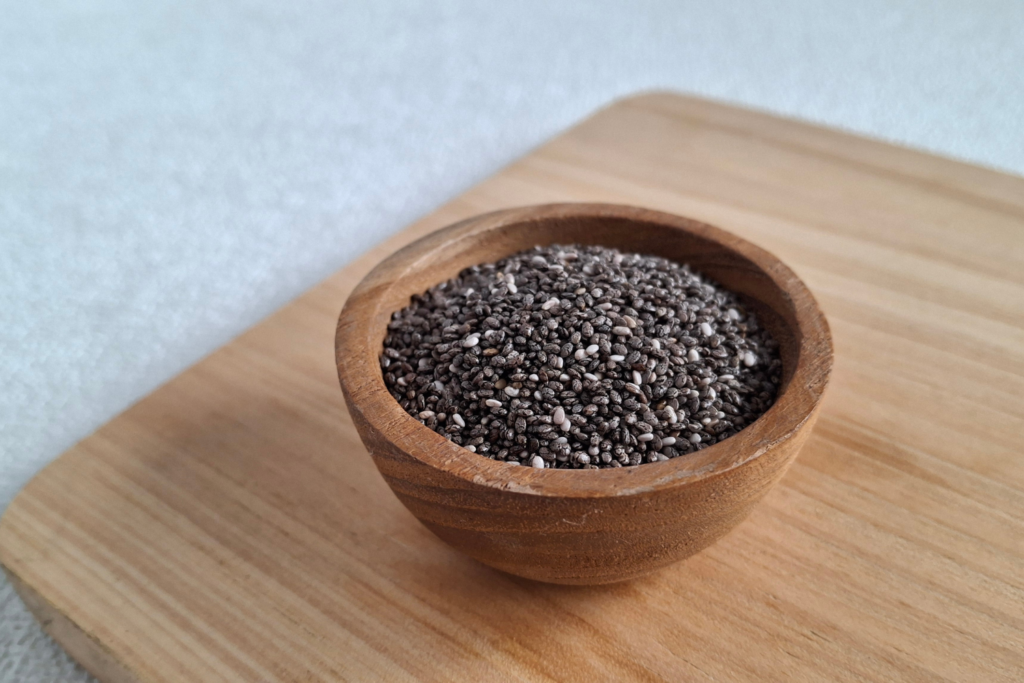
There is no scientific evidence that chia seeds can delay your period. While chia seeds are rich in fiber, omega-3 fatty acids, and nutrients that support overall hormonal health, they do not directly affect the menstrual cycle. Delayed periods are more commonly linked to stress, hormonal imbalances, weight changes, or medical conditions, rather than specific foods like chia seeds.
Have you ever wondered if what you eat can alter your menstrual cycle? With many women seeking natural ways to manage their periods, the question arises: Can chia seeds delay your period? This article dives deep into the nutritional benefits of chia seeds and examines their potential effects on hormonal regulation. Join us as we uncover the science behind this popular superfood and what it could mean for your menstrual health.
What are Chia Seeds?
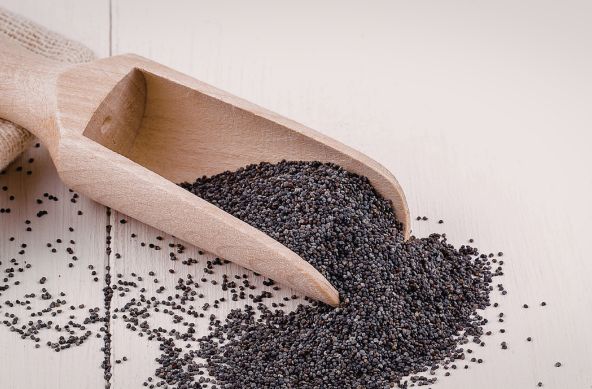
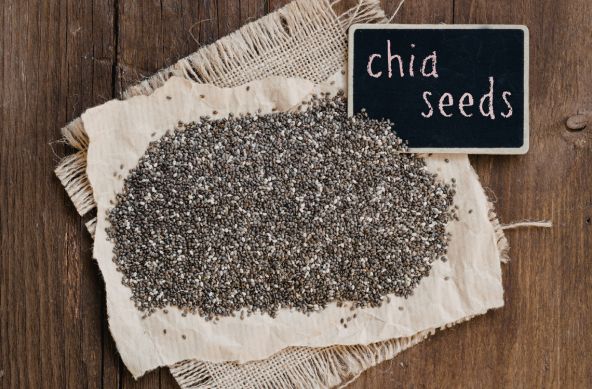
Chia seeds are tiny black seeds from the Salvia hispanica plant, native to Mexico and Guatemala. They have become one of the most popular superfoods in India and worldwide due to their impressive nutritional profile.
A single 28g serving of chia seeds contains:
- Fiber: 11g
- Protein: 4g
- Omega-3 fatty acids: 5g
- Calcium: 18% of daily recommended intake
- Magnesium: 30% of daily recommended intake
- Iron: 12% of daily recommended intake
These nutrients make chia seeds excellent for overall health — but do they affect your menstrual cycle?
Chia Seeds & Menstrual Seeds
Chia seeds, tiny powerhouses of nutrition, have garnered attention not just for their health benefits but also for their potential effects on menstrual health. Rich in omega-3 fatty acids, fiber, and protein, these seeds can play a supportive role in regulating the menstrual cycle. Some women wonder, “Can chia seeds delay your period?” While there’s no definitive answer, incorporating chia seeds into your diet may help balance hormones due to their nutrient density, possibly influencing cycle regularity.
Moreover, the high fiber content in chia seeds aids digestion and can alleviate bloating often associated with menstruation. This can make them an excellent addition to your premenstrual routine. Additionally, their gel-like consistency when soaked in water may contribute to a feeling of fullness, which can help curb cravings during the hormonal fluctuations of the menstrual cycle. By understanding how chia seeds interact with our bodies, we can empower ourselves to make informed dietary choices that support our menstrual health.
Can Chia Seeds delay your Period?
The short answer is no.
There is no clinical study or scientific research that directly links chia seeds to delayed periods. Gynaecologists and nutritionists agree that eating chia seeds in normal quantities has no significant impact on your menstrual cycle.
However, there are some indirect ways chia seeds could theoretically influence your cycle if consumed in extreme amounts:
1. Hormonal Balance
Chia seeds are rich in omega-3s, which can support hormonal balance. While balanced hormones are crucial for a regular menstrual cycle, an excessive intake of omega-3s or fiber might have a slight effect on hormone-related processes. But this is rare and unproven in healthy individuals.
2. Impact on Weight & Stress
A sudden change in diet—especially high-fiber diets including large amounts of chia—can affect metabolism and digestion. Additionally, chia seeds can make you feel full, potentially leading to caloric restriction or weight loss, which might affect periods. Rapid weight loss or chronic under-eating is known to cause period delays.
3. Gut Health & Absorption
Chia seeds improve gut health, but a very high intake might interfere with the absorption of certain nutrients if not taken with adequate fluids. Poor nutrient absorption can eventually impact menstrual health.
Bottom Line: Moderate consumption of chia seeds is unlikely to delay your period. Any changes to your cycle are more likely due to stress, weight changes, hormonal imbalances, or underlying medical conditions.
How much is too much?
The ideal intake of chia seeds is 1–2 tablespoons per day. Consuming more than that occasionally is fine, but consistently eating large amounts without proper hydration or balance in your diet might cause bloating or constipation—not delayed periods.
What actually causes period delays?
If your period is late, chia seeds are almost certainly not the cause. Here are the most common real reasons:
| Cause | How it affects your cycle |
|---|---|
| Stress | Raises cortisol, which suppresses reproductive hormones |
| PCOS | Hormonal imbalance disrupts ovulation |
| Thyroid issues | Both hypo and hyperthyroidism can cause irregular periods |
| Significant weight loss or gain | Disrupts estrogen production |
| Excessive exercise | Low body fat suppresses ovulation |
| Pregnancy | Most common cause of a missed period |
| Birth control changes | Hormonal contraceptives can delay or stop periods |
| Perimenopause | Irregular cycles in women approaching menopause |
| Poor nutrition | Deficiencies in iron, zinc, or B vitamins can affect cycles |
If your period is delayed by more than 7 days and pregnancy has been ruled out, consult a gynaecologist.
Are Chia Seeds good for Menstrual Health?
Yes — when eaten in moderation, chia seeds can actually support menstrual health in several ways:
Reduces period pain: The omega-3 fatty acids in chia seeds are anti-inflammatory and may help reduce menstrual cramps by lowering prostaglandin levels.
Fights period fatigue: Chia seeds are rich in iron and magnesium, both of which are depleted during menstruation. Adding chia seeds to your diet can help replenish these nutrients.
Stabilises blood sugar: The high fiber content in chia seeds slows sugar absorption, which helps manage the energy crashes and mood swings many women experience before and during their period.
Supports hormonal balance: Omega-3s and magnesium are both essential for healthy hormone production.
When to See a Doctor
See a gynaecologist if:
- Your period is more than 7 days late and pregnancy is ruled out
- You have missed 3 or more periods in a row
- Your periods have suddenly become very irregular
- You experience heavy bleeding, severe cramps, or unusual discharge
- You have other symptoms like unexplained weight gain, hair loss, or acne
Conclusion: Can Chia Seeds Delay Your Period?
Chia seeds are nutritional superfoods, but there is no conclusive evidence that they delay periods. Unless consumed in extreme amounts or as part of an unbalanced diet, chia seeds are safe and beneficial for most people.
Disclaimer: This article is for informational purposes only and should not be considered medical advice. Always consult a healthcare professional for concerns about your menstrual health.
Also read: White Discharge: Causes, Types, Treatment Options
FAQs
1. Can chia seeds stop your period completely?
No. Chia seeds cannot stop your period. If your period has stopped, consult a gynaecologist — the cause is hormonal, not dietary.
2. Can chia seeds cause early periods?
No. There is no evidence that chia seeds trigger early periods. Periods can come early due to stress, hormonal changes, or ovulation variations.
3. I started eating chia seeds and my period is late — is it related?
Almost certainly not. Chia seeds do not affect the hormones that control ovulation and menstruation. Take a pregnancy test first, then consult a doctor if your period is more than 7 days late.
4. Can chia seeds help with PCOS and irregular periods?
Chia seeds alone cannot treat PCOS. However, their high fiber and omega-3 content may support overall hormonal balance as part of a healthy diet. Always follow your doctor’s treatment plan for PCOS.
5. How long after eating chia seeds can you see effects on your period?
No effects on your period should be expected from eating chia seeds. Any changes in your cycle are far more likely to be caused by other factors like stress, weight changes, or hormonal shifts.
6. Are chia seeds safe during pregnancy?
Yes, chia seeds are generally safe during pregnancy and provide valuable nutrients like omega-3s, calcium, and iron. However, consult your doctor before making significant dietary changes during pregnancy.
7. Can chia seeds help with period cramps?
Yes. The omega-3 fatty acids and magnesium in chia seeds have anti-inflammatory properties that may help reduce period cramps when eaten regularly as part of a balanced diet.
8. Kya chia seeds se period late aata hai?
Nahi. Chia seeds se period late nahi hota. Iska koi scientific praman nahi hai. Period late hone ke asli kaaran stress, hormonal imbalance, weight change, PCOS ya pregnancy hote hain. Agar aapka period 7 din se zyada late hai, toh gynaecologist se salah lein.
9. Are sabja (basil) seeds the same as chia seeds — do they delay periods?
No. Sabja (sweet basil) seeds and chia seeds are different plants, though they look similar. Neither has any scientific evidence of delaying periods. Both are safe in moderate amounts and support overall nutrition.