

How to Reduce Melanin Naturally: 10 Safe, Dermatologist-Backed Ways
BestDoctorsInTheCity.com
August 23, 2026
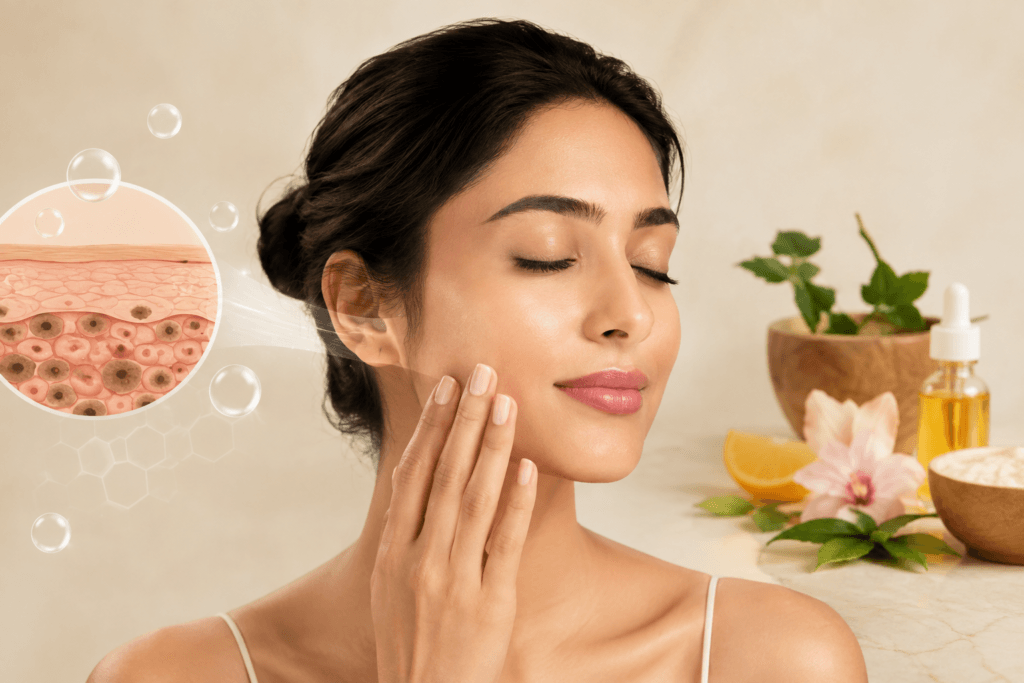
Uneven skin tone, dark spots, and patches of hyperpigmentation are among the most common reasons people search for ways to reduce melanin. The good news: several safe, well-studied methods can help even out melanin production over time.
This guide covers what actually works, what doesn’t, and when it’s worth seeing a dermatologist instead of trying home remedies alone.
What is Melanin, and why does it build up unevenly?
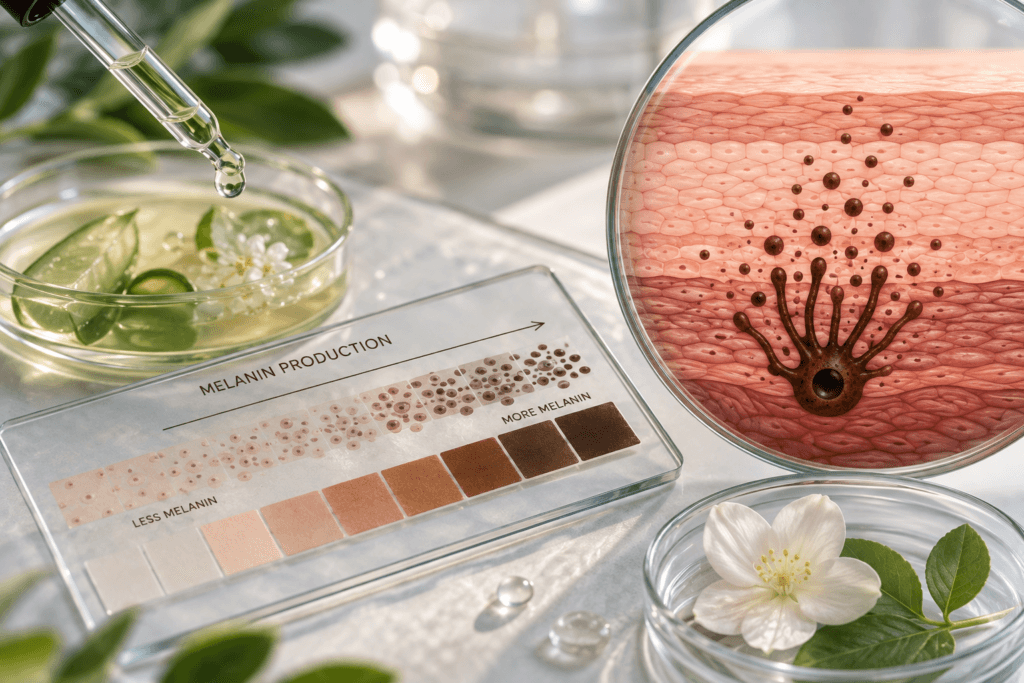
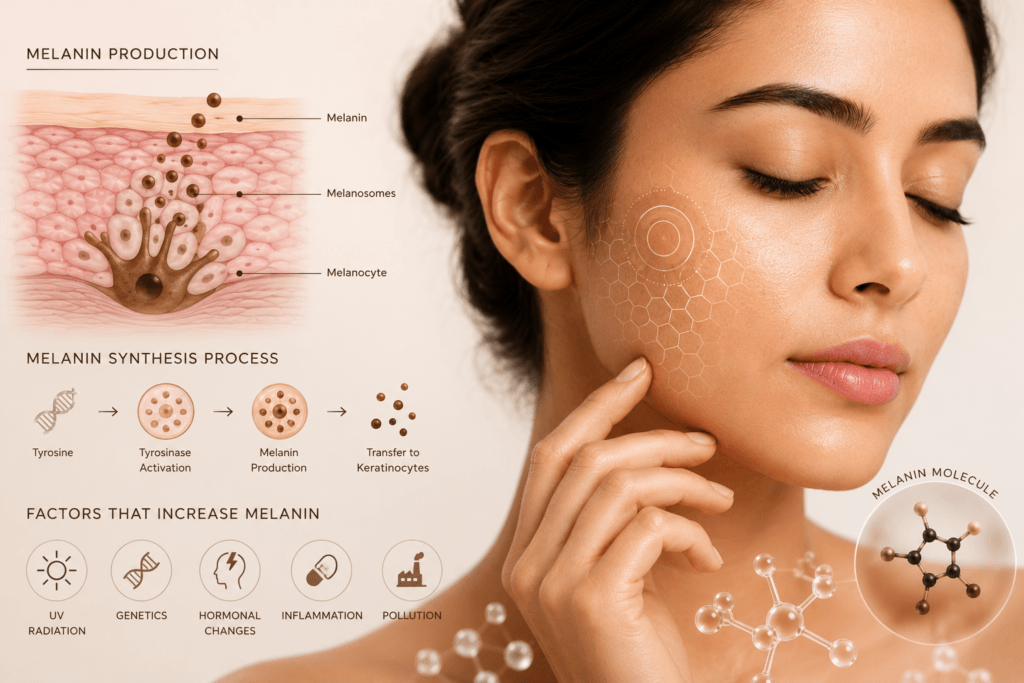
Melanin is the pigment that gives skin, hair, and eyes their color. It’s produced by cells called melanocytes, and its main job is protecting skin from UV damage.
When skin is exposed to sun, hormonal changes, inflammation, or injury, melanocytes can go into overdrive in specific spots. That’s what causes dark patches, sun spots, and post-acne marks — technically called hyperpigmentation.
Reducing melanin isn’t about changing your natural skin tone. It’s about calming down that localized overproduction so skin looks more even.
1. Sun Protection Is the Single Most Important Step
UV exposure is the biggest trigger for excess melanin production. Dermatologists consistently point to broad-spectrum sunscreen (SPF 30 or higher) as the foundation of any melanin-reduction routine.
Without consistent sun protection, other treatments — topical or professional — tend to underperform, since new UV exposure keeps re-triggering pigmentation.
2. Vitamin C
Vitamin C is one of the most researched skin-brightening ingredients. It works by inhibiting tyrosinase, the enzyme that triggers melanin production, and also helps fade existing dark spots over time.
Look for stable formulations (like vitamin C serums) rather than relying on diet alone for visible skin results, though vitamin C-rich foods support overall skin health too.
3. Retinoids
Retinoids increase skin cell turnover, which helps replace pigmented surface cells with new ones faster. They’re available over the counter in mild forms or by prescription in stronger concentrations.
Retinoids can increase sun sensitivity, so they should always be paired with daily sunscreen.
4. Niacinamide
Niacinamide (vitamin B3) is a gentler alternative that reduces the transfer of pigment to skin cells. It’s well-tolerated by most skin types, including sensitive skin, and is often recommended as a starting point before trying stronger actives.
5. Licorice Root Extract
Licorice root contains glabridin, a compound shown to help block the enzyme responsible for excess pigmentation. It’s commonly found in serums and creams marketed for “brightening” or “even tone.”
6. Turmeric and Aloe Vera (Natural, Topical Options)
Turmeric has anti-inflammatory properties that may help calm pigmentation caused by inflammation, while aloe vera is soothing and may support skin repair. These are gentler, natural options — helpful as a supporting step, though the evidence behind them is less robust than for vitamin C or retinoids.
7. Chemical Peels
Chemical peels use acids like glycolic or lactic acid to exfoliate the outer skin layer, helping fade surface-level pigmentation faster than topical creams alone. These are typically done by a dermatologist or licensed skin professional.
8. Laser Treatments
For more stubborn or deeper pigmentation, dermatologists may recommend laser therapy. Non-ablative lasers target deeper skin layers with less downtime, while ablative lasers are more intensive and reserved for more significant pigmentation.
Laser treatments should only be done under professional supervision, ideally after a consultation to confirm they’re appropriate for your skin type.
9. Managing Underlying Triggers
Sometimes pigmentation is linked to hormonal changes (like melasma during pregnancy), certain medications, or inflammatory skin conditions like acne. Addressing the underlying cause, alongside topical treatments, tends to give better long-term results than treating the pigmentation alone.
10. Patience and Consistency
Melanin-related pigmentation typically takes 8-12 weeks of consistent treatment to show visible improvement, regardless of the method used. Switching products too frequently, or expecting overnight results, is one of the most common reasons people give up before seeing results.
Does Diet or a "Melanin-Reducing Drink" Actually Help?
This is one of the most searched questions on this topic, and it deserves an honest answer: no single food or drink directly “removes” melanin.
That said, diet plays a supporting role. Foods rich in antioxidants, vitamin C, and vitamin E help protect skin from UV-related oxidative stress, which indirectly supports more even pigmentation over time. Staying hydrated and eating a balanced diet is a sensible habit, not a quick fix.
Be cautious of viral “melanin-reducing drink” recipes online — most lack scientific backing, and some (like excessive lemon juice applied to skin) can actually irritate skin or increase sun sensitivity.
When to See a Dermatologist
Home remedies and over-the-counter products work well for mild, sun-related pigmentation. It’s worth seeing a doctor if you notice pigmentation that’s spreading rapidly, changing shape or color, appearing after starting a new medication, or not responding to consistent treatment after a few months.
A dermatologist can also help rule out conditions that mimic pigmentation issues but need different treatment. You can find a doctor near you to get a proper skin evaluation before starting stronger treatments like peels or lasers.
The Bottom Line
Reducing melanin naturally is realistic with the right combination of sun protection, proven topical ingredients like vitamin C and retinoids, and patience. There’s no single “melanin-reducing drink” or overnight fix — but consistent, evidence-based habits do work.
If you’re dealing with persistent pigmentation, a dermatologist can help you build a routine suited to your skin type. You can find a doctor through our directory, and if you’re a dermatologist or clinic, you can list your practice here to reach patients searching for exactly this kind of guidance.
Frequently Asked Questions
Can melanin be permanently reduced?
No — melanin production is a natural, ongoing process. Treatments help manage and even out excess pigmentation, but melanocytes continue producing melanin, especially with sun exposure.
Is it safe to reduce melanin naturally at home?
Generally yes, for mild pigmentation, using ingredients like vitamin C, niacinamide, and consistent sunscreen. Stronger treatments like peels or lasers should be done under professional supervision.
How long does it take to see results?
Most people notice visible improvement after 8-12 weeks of consistent use, though results vary by skin type and the severity of pigmentation.
Does lemon juice reduce melanin?
Lemon juice is a popular home remedy, but it can irritate skin and increase sun sensitivity. Vitamin C serums formulated for skin use are a safer alternative.
This article is for informational purposes only and does not replace professional medical advice. Consult a dermatologist for personalized guidance.
Interested in contributing skin health content? Check out our write for us page.

Dr. Dheeraj Yadav
Ayurvedic Physician & Certified Bach Flower Remedy Practitioner
Dr. Dheeraj Yadav is a licensed Ayurvedic doctor and certified Bach Flower Remedy practitioner with deep expertise in holistic and natural healing. He carefully reviews all health-related content on this website to ensure it is accurate, safe, and consistent with the principles of traditional and integrative medicine.
This article is for informational purposes only and does not constitute medical advice. Please consult a qualified healthcare professional before making any health decisions.