

Best Dermatologist in Delhi — Top Skin Specialists, Costs & What to Ask in 2026
BestDoctorsInTheCity.com
May 5, 2026
Written by
BestDoctorsInTheCity Editorial Team
Independent health information platform · Delhi, India
Last updated
May 2026
Skin conditions are among the most commonly reported health concerns in India, yet dermatology remains one of the most under-consulted specialties. Many Delhi residents manage persistent skin problems — acne, hair loss, pigmentation, eczema — for years without ever seeing a qualified dermatologist, relying instead on over-the-counter creams or unverified home remedies.
Delhi’s climate makes this worse. The combination of extreme heat in summer, severe pollution year-round, hard water, and high humidity creates conditions that are genuinely damaging to skin and hair. A city where AQI regularly crosses hazardous levels will always see elevated rates of contact dermatitis, premature ageing, and scalp conditions.
The good news is that Delhi has some of India’s finest dermatology departments and specialist clinics. This guide explains what dermatologists treat, how to choose the right specialist, which hospitals are known for skin care in Delhi, what consultations cost, and what questions to ask at your first appointment.
What Does a Dermatologist Treat?
A dermatologist is a doctor who specialises in conditions affecting the skin, hair, nails, and mucous membranes. In India, a qualified dermatologist typically holds an MBBS degree followed by an MD in Dermatology, Venereology and Leprosy (DVL) — the standard postgraduate qualification in the field.
Dermatologists in Delhi treat a wide range of conditions including:
- Acne and acne scarring — one of the most common reasons for consultation, across all age groups
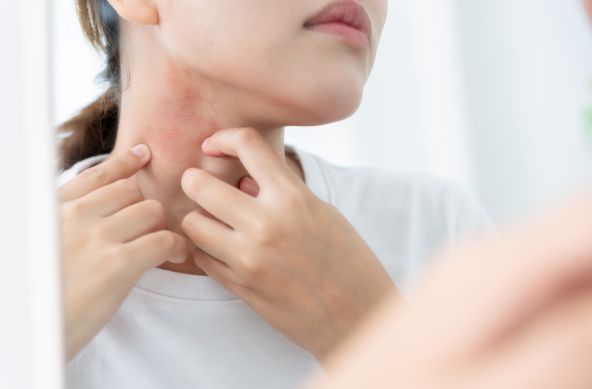
- Eczema (atopic dermatitis) — chronic inflammatory skin condition causing itching and rashes
- Psoriasis — an autoimmune condition causing scaly, inflamed skin patches
- Fungal infections — particularly common in Delhi’s humid summer months
- Pigmentation disorders — melasma, post-inflammatory hyperpigmentation, vitiligo
- Hair loss (alopecia) — including androgenetic alopecia, alopecia areata, and telogen effluvium
- Urticaria (hives) — allergic skin reactions causing raised, itchy welts
- Contact dermatitis — skin reactions to environmental triggers and cosmetics
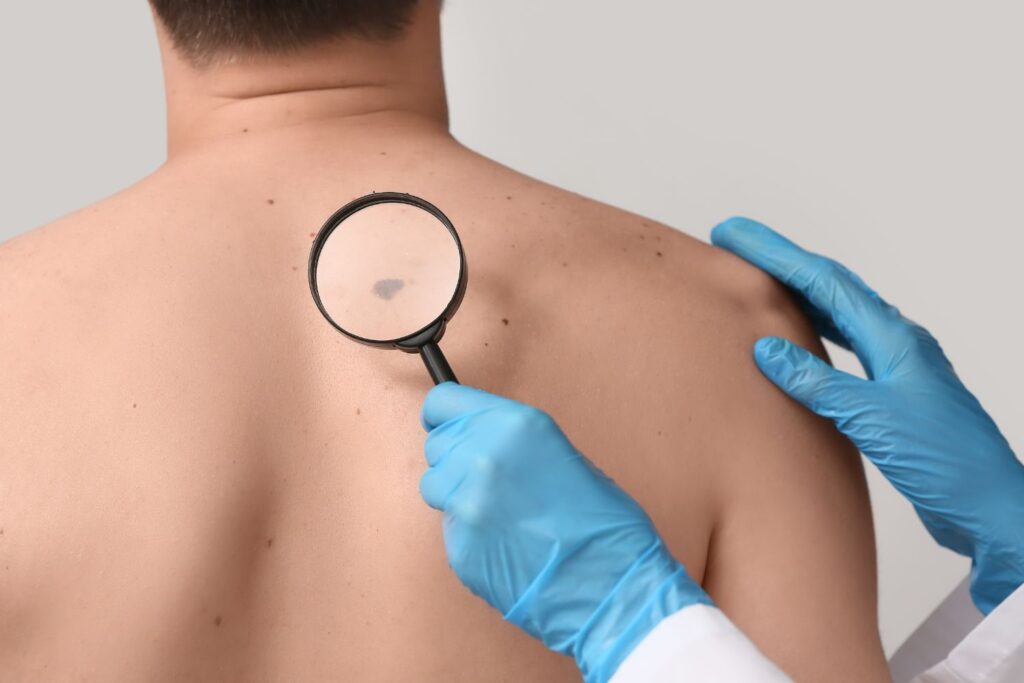
- Skin cancer screening — mole checks and early detection of melanoma
- Warts, moles, and benign growths — diagnosis and removal
- Nail disorders — fungal nail infections, psoriatic nails, nail pitting
- Sexually transmitted skin infections — handled by the venereology component of the specialty
Many dermatologists in Delhi also offer cosmetic dermatology — procedures such as laser treatments, chemical peels, Botox, fillers, and PRP (platelet-rich plasma) therapy for hair loss. It is important to understand the distinction between medical and cosmetic dermatology before booking, as your needs will determine which type of specialist is most appropriate.
Why Delhi Residents Need a Good Dermatologist
Delhi’s environment creates a specific set of skin and hair challenges that are more intense than in most other Indian cities:
Air pollution is a primary skin aggressor. Particulate matter (PM2.5) penetrates the skin barrier, generates free radicals, and accelerates skin ageing. Research published in the Journal of Investigative Dermatology has linked chronic air pollution exposure to increased rates of atopic dermatitis and acne. Delhi’s consistently high pollution levels make this a significant and ongoing health concern for residents.
Hard water is a frequently overlooked factor. Delhi’s water supply has high levels of calcium and magnesium, which strip the skin of its natural oils and are a known trigger for eczema flare-ups and scalp dryness. Many patients presenting with dry skin, dandruff, or chronic eczema in Delhi have hard water as a contributing factor.
Stress and urban lifestyle contribute to conditions like psoriasis, seborrhoeic dermatitis, and stress-induced hair loss. Delhi’s high-pressure working environment makes these conditions particularly prevalent.
Self-medication culture is a significant problem. Many Delhi residents use steroid-based fairness creams or antibiotic-containing over-the-counter products for years without a prescription — leading to steroid-induced rosacea, antibiotic resistance, and worsening of the original condition. A qualified dermatologist can reverse much of this damage, but early consultation prevents it entirely.
Types of Dermatology Consultations in Delhi
Medical dermatology OPD — A standard outpatient appointment to diagnose and treat a skin, hair, or nail condition. Most first-time patients start here.
Cosmetic dermatology consultation — For patients seeking aesthetic treatments such as laser skin resurfacing, anti-ageing procedures, hair transplant assessment, or scar treatment.
Patch testing — A specialised consultation for identifying contact allergies. Involves applying test substances to the skin over 48-72 hours to identify triggers.
Dermoscopy — A non-invasive diagnostic technique using a dermatoscope to examine skin lesions in detail. Used for mole assessment and early skin cancer detection.
Skin biopsy consultation — For suspicious lesions that require laboratory examination. The dermatologist takes a small sample under local anaesthesia.
Paediatric dermatology — For skin conditions in children, including infantile eczema, birthmarks, and childhood psoriasis. Some specialist centres in Delhi have dedicated paediatric dermatology services.
Teleconsultation — Many senior dermatologists in Delhi now offer video consultations, particularly useful for follow-up appointments and for patients travelling from outside Delhi.
Top Hospitals and Clinics for Dermatology in Delhi
AIIMS Department of Dermatology, Ansari Nagar
The dermatology department at AIIMS is one of the most respected in the country. It handles both routine and complex cases, conducts active research, and sees an extremely high volume of patients from across India. The department offers specialist services including patch testing, phototherapy (for psoriasis and vitiligo), skin biopsy, and dermoscopy.
Best suited for: Complex skin conditions, rare dermatological disorders, patients who need specialist investigations, those seeking government-rate treatment.
Sir Ganga Ram Hospital, Rajinder Nagar
Sir Ganga Ram has an established dermatology department with experienced consultants. The hospital handles both medical and cosmetic dermatology and has facilities for laser treatments, chemical peels, and PRP therapy.
Best suited for: Patients in Central Delhi, both medical and cosmetic concerns.
Fortis Hospital Skin Clinic
Fortis has dermatology services across its Delhi NCR network, including at Vasant Kunj and Shalimar Bagh. The departments offer laser hair removal, acne scar treatment, and full medical dermatology services.
Best suited for: Patients seeking both medical and cosmetic dermatology in a large private hospital setting.
Max Super Speciality Hospital, Saket
Max Saket’s dermatology team handles a high volume of cases including eczema, psoriasis, hair loss, and cosmetic procedures. The hospital has advanced laser and light therapy equipment.
Best suited for: Patients in South Delhi, comprehensive dermatology and aesthetic treatments.
Apollo Hospital, Sarita Vihar
Apollo Delhi has an active dermatology department offering medical consultations and a full range of cosmetic procedures. The hospital’s international patient team also assists patients travelling from outside India.
Best suited for: Patients seeking private hospital care with international accreditation.
Skin City Delhi (Private Clinic Network)
Delhi has a large network of high-quality private dermatology clinics operating independently of hospitals. Many of the most experienced dermatologists in Delhi practice in smaller private clinics alongside or instead of hospital settings. These clinics often offer shorter waiting times and more personalised attention.
Best suited for: Patients who prefer a clinic environment, faster appointment availability, cosmetic procedures.
How to Choose the Right Dermatologist in Delhi
1. Match the Specialist to Your Condition
Dermatology has several sub-specialties. If you have a medical skin condition — eczema, psoriasis, acne, pigmentation — a general dermatologist with an MD (DVL) is appropriate. If you are seeking cosmetic treatments — laser resurfacing, anti-ageing injectables, hair transplant — look specifically for a dermatologist with documented training and experience in cosmetic procedures.
Avoid going to a cosmetic clinic for a medical condition and vice versa.
2. Check Qualifications
A qualified dermatologist in India should hold:
- MBBS from a recognised medical college
- MD Dermatology, Venereology and Leprosy (DVL) or equivalent
Senior dermatologists may also hold fellowship qualifications such as FAAD (Fellow of the American Academy of Dermatology) or equivalent international credentials.
Be cautious of practitioners offering cosmetic treatments without a medical dermatology qualification. In India, many aesthetic clinics are operated by practitioners who are not qualified dermatologists.
3. Cosmetic vs Medical Dermatology
If you are seeking purely cosmetic treatments, ensure you are seeing a qualified dermatologist — not an aesthetician or non-medical practitioner. Laser treatments, chemical peels, and injectables carry real risks and should only be performed by or under the direct supervision of a qualified medical professional.
4. Government vs Private
Government hospitals like AIIMS offer world-class expertise at subsidised rates but involve longer waiting times. Private clinics and hospitals offer faster access and more personalised attention. Many patients in Delhi use AIIMS for complex or undiagnosed conditions and private clinics for routine follow-up and cosmetic procedures.
Common Skin Conditions Treated in Delhi
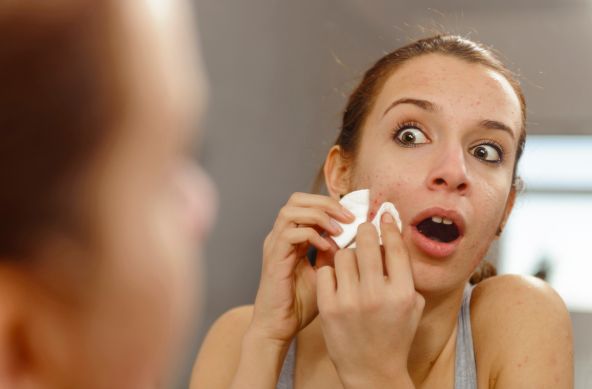
Acne is the single most common dermatology complaint in Delhi. Pollution, hard water, hormonal factors (particularly in women with PCOS), and stress all contribute. A dermatologist can prescribe appropriate topical and oral treatments — including isotretinoin for severe cases — that are far more effective than over-the-counter products.
Melasma and pigmentation are extremely common in Delhi due to sun exposure and pollution. This condition disproportionately affects South Asian skin tones. Dermatologist-prescribed treatments including tranexamic acid, azelaic acid, and chemical peels are significantly more effective than commercial brightening products.
Hair loss is a growing concern, particularly among young adults in Delhi. Stress, nutritional deficiencies, hormonal conditions like thyroid disorders and PCOS, and pollution-induced scalp inflammation all contribute. A dermatologist can identify the cause through blood tests and scalp examination and recommend targeted treatment.
Psoriasis and eczema are chronic conditions that require long-term management. Delhi’s pollution and hard water worsen both conditions significantly. A dermatologist can prescribe biologics for severe psoriasis and develop a personalised management plan for eczema.
Warning Signs That Mean You Should See a Dermatologist
Do not delay consultation if you notice:
- A mole that is changing in size, shape, colour, or bleeding
- A wound or sore that is not healing after two weeks
- Persistent redness, scaling, or thickening of the skin without a clear cause
- Sudden unexplained hair loss or bald patches
- Painful blisters or rash that spreads rapidly
- Itching that is severe and disrupting sleep
- Any skin lesion that you are uncertain about
For skin cancer screening specifically, anyone with a family history of melanoma, multiple moles, or significant sun exposure history should have a routine dermoscopy check annually.
Cosmetic Treatments Available in Delhi
Delhi’s private dermatology sector offers a comprehensive range of cosmetic treatments. Common procedures include:
- Laser hair removal — multiple sessions, permanent reduction
- Chemical peels — for acne, pigmentation, and skin texture
- Laser skin resurfacing — for acne scars, sun damage, and ageing
- Botox and dermal fillers — anti-ageing injectables
- PRP (Platelet-Rich Plasma) — for hair loss and skin rejuvenation
- Microneedling — for scars, pores, and skin texture
- Carbon laser peel — for oily skin and mild acne
- Q-switched laser — for tattoo removal and pigmentation
Always consult a qualified dermatologist before any cosmetic procedure. Many complications from cosmetic treatments arise from unqualified practitioners or inappropriate treatment selection.
The Cost of Seeing a Dermatologist in Delhi
| Consultation Type | Clinic Type | Approximate Fee (₹) |
|---|---|---|
| OPD Consultation | Government (AIIMS, Safdarjung Hospital) | 0 – 500 |
| OPD Consultation | Mid-level private hospital | 800 – 1,500 |
| OPD Consultation | Senior consultant, large private hospital | 1,500 – 3,000 |
| Private Clinic Consultation | Specialist dermatologist | 1,000 – 2,500 |
| Teleconsultation | Private platform or direct | Rs.500–1,200 |
| Procedure | Approximate Cost (₹) |
|---|
| Patch Test (Contact Allergy) | 2,000 – 5,000 |
| Dermoscopy | 500 – 1,500 |
| Skin Biopsy | 2,000 – 5,000 |
| Chemical Peel (Single Session) | 2,000 – 8,000 |
| Laser Hair Removal (Per Session) | 1,500 – 6,000 |
| PRP Hair Treatment (Per Session) | 4,000 – 10,000 |
| Acne Scar Laser (Per Session) | 5,000 – 20,000 |
| Botox (Per Area) | 8,000 – 20,000 |
Most health insurance policies in India cover medical dermatology consultations and procedures for diagnosed conditions. Cosmetic procedures are generally not covered. Always verify your policy before booking.
Questions to Ask Your Dermatologist at the First Appointment
Going prepared makes your consultation more productive:
- What is causing my skin condition and what are the contributing factors?
- What treatment options are available and what does each involve?
- How long will treatment take before I see results?
- Are there lifestyle changes — diet, skincare routine, water filtration — that would help?
- What ingredients should I avoid in skincare products given my condition?
- Is this condition likely to recur and what can I do to prevent it?
- Do I need any blood tests to rule out an underlying cause?
- For cosmetic treatments: how many sessions are needed and what are the realistic outcomes?
A dermatologist is a qualified medical doctor with an MD degree who can diagnose and treat both medical and cosmetic skin conditions. A cosmetologist is a beauty professional who provides aesthetic treatments but is not medically qualified to diagnose or treat skin diseases. Always see a qualified dermatologist for any medical skin concern.
Yes. In India you can book a dermatology OPD appointment directly without a GP referral. However, for AIIMS you will need to register at the OPD counter in person.
It depends on the severity. Mild acne may respond within 4-6 weeks of topical treatment. Moderate to severe acne typically requires 3-6 months of treatment and may involve oral medication. Acne scar treatment requires additional sessions and is separate from active acne treatment.
Yes — provided the cause is correctly identified. Many types of hair loss are treatable. The earlier you consult, the better the outcomes. Telogen effluvium (stress-related hair loss) often resolves with treatment. Androgenetic alopecia requires ongoing management rather than a one-time cure.
Yes — if performed by a qualified dermatologist at a reputable clinic or hospital. The key is ensuring your practitioner has a medical dermatology qualification (MD DVL). Avoid clinics that do not have a qualified dermatologist on site.
Beyond standard skincare advice, Delhi residents benefit particularly from using a water softener or filtered water for face washing, applying a broad-spectrum SPF 50 sunscreen daily, using a physical barrier (mask or scarf) on high pollution days, and maintaining adequate hydration and antioxidant nutrition to counteract pollution-induced skin damage.
Dr. Dheeraj Yadav
Ayurvedic Physician & Certified Bach Flower Remedy Practitioner
Dr. Dheeraj Yadav is a licensed Ayurvedic doctor and certified Bach Flower Remedy practitioner with deep expertise in holistic and natural healing. He carefully reviews all health-related content on this website to ensure it is accurate, safe, and consistent with the principles of traditional and integrative medicine.
This article is for informational purposes only and does not constitute medical advice. Please consult a qualified healthcare professional before making any health decisions.